In 2026, global buyers will treat paver sealer as a performance decision, not merely a finishing product. A glossy driveway may look impressive today. It can also reveal whitening, trapped moisture, or tire marks later. The right choice depends on climate, paver porosity, traffic, maintenance habits, and local installation practice.
Industry data shows why this category deserves careful attention. Grand View Research’s 2024 Concrete Sealers Market report identifies continued growth, supported by residential renovation, infrastructure upgrades, and demand for longer-lasting surfaces. MarketsandMarkets also projects steady expansion in construction chemicals through 2028, although concrete sealer figures do not equal paver sealer sales. That distinction matters. Reports often group coatings, curing compounds, and sealers together. Comparing them too casually can mislead buyers.
Chris Sullivan, a widely cited decorative-concrete technical consultant, has repeatedly emphasized a practical principle: “The sealer is only as good as the surface preparation.” His point remains relevant across continents. A clean, dry paver surface supports adhesion. A damp joint can undermine an otherwise expensive product. Solvent-based acrylics may intensify color, while water-based systems usually offer lower odor and easier cleanup. Penetrating sealers can preserve a more natural appearance, but they may not provide the same visual depth.
There is no universal winner.
This 2026 guide compares paver sealer types by chemistry, climate suitability, appearance, durability, application risk, and lifecycle cost. It also examines an uncomfortable reality: the cheapest drum may become the most expensive choice after premature recoating. Weather records, substrate testing, and realistic maintenance expectations should guide the final decision.
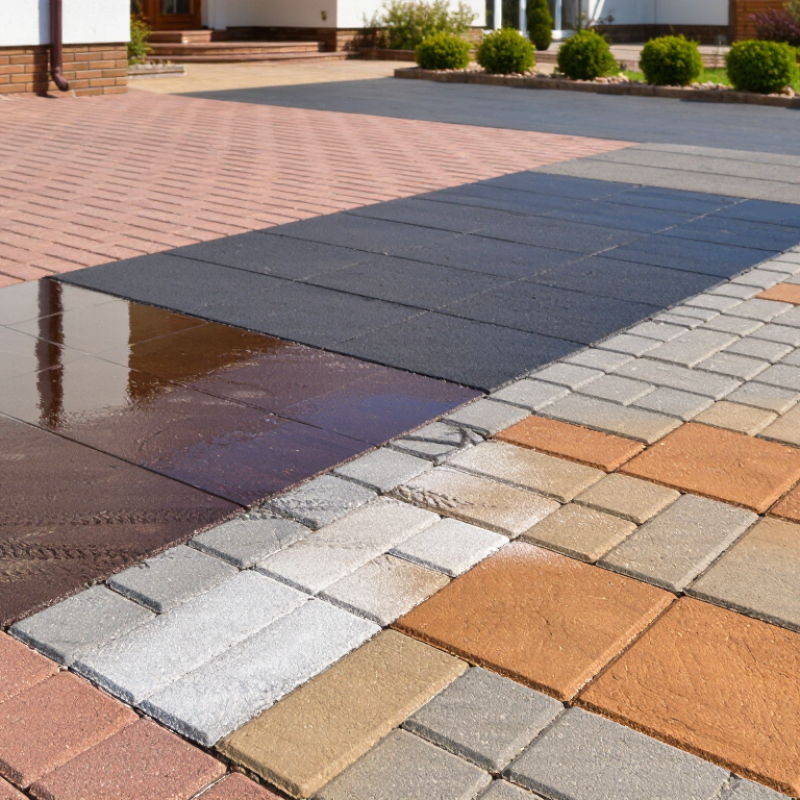
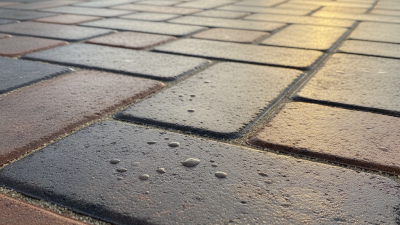
Paver sealer is a protective treatment applied to concrete, clay, or natural-stone paving. It reduces water entry, surface staining, color fading, and damage from repeated freezing. This matters because outdoor paving faces different risks in every region. Coastal buyers may worry about salt and humidity. Cold-climate buyers need freeze-thaw resistance. Hot regions demand strong ultraviolet stability.
The Global Cement and Concrete Association reports that concrete contributes about 7% of global carbon dioxide emissions. Extending pavement life can reduce replacement demand, although sealer alone cannot solve concrete’s environmental impact. The U.S. Environmental Protection Agency also identifies dark, hard surfaces as contributors to urban heat islands. Clear or low-darkening products may therefore suit some projects better. Small details matter.
Common options include penetrating silane or siloxane sealers, acrylic film-forming sealers, and polyurethane systems. Penetrating products preserve a more natural appearance and allow vapor movement. Acrylics can deepen color and improve stain resistance, but they may wear faster under traffic. Polyurethane systems usually offer stronger abrasion resistance, yet application errors can cause gloss differences or peeling. No type fits every market. Buyers should request ASTM-based test results, coverage rates, vapor-permeability data, and regional weathering evidence. The ASTM C642 water-absorption method can help compare concrete performance, but it does not predict every outdoor condition. A perfect datasheet still needs careful surface preparation. That part is often underestimated.
What is paver sealer and why does it matter? Paver sealer is a protective coating or penetrating treatment applied to concrete, clay, or natural-stone pavers. The chart compares typical service-life ranges before reassessment, helping global buyers balance maintenance frequency, climate exposure, traffic, and local VOC requirements.
Data represents common industry planning ranges rather than guaranteed performance. Actual durability depends on substrate porosity, surface preparation, UV exposure, freeze-thaw cycles, rainfall, traffic, application quality, and maintenance practices. Penetrating sealers generally preserve a more natural appearance, while film-forming acrylic and polyurethane systems can provide stronger color enhancement or surface protection.
Paver sealers are easier to compare when classified by formula, finish, and application. Water-based acrylics usually produce lower odor and simpler cleanup. Solvent-based acrylics can deepen color and improve water resistance, but ventilation becomes more important. Penetrating silane or siloxane formulas enter the pores without creating a strong surface film. They suit natural-looking driveways and freeze-thaw exposure.
Finish changes both appearance and maintenance. A matte finish hides small surface defects. A satin finish adds moderate color enhancement. Glossy “wet-look” products can emphasize joint sand movement and tire marks. Testing a one-square-meter area is practical experience, not an optional detail. I have seen attractive samples fail after poor surface preparation.
Application conditions matter globally. Manufacturers and contractors should verify substrate moisture, temperature, curing age, and local VOC requirements. ASTM C1315 and ASTM C309 provide useful performance references for film-forming curing and sealing materials, although neither replaces field testing. The U.S. Environmental Protection Agency reports that architectural coatings are regulated through VOC limits, which vary by product category and jurisdiction.
Market context also supports careful selection. Grand View Research valued the global construction chemicals market at about USD 87 billion in 2023 and projects continued growth through 2030. That figure includes many products, not only paver sealers. Still, it signals broader demand for durable surface protection.
A 2024 construction materials report from MarketsandMarkets identifies water-based technologies as a major development direction, partly because of emissions and handling concerns. Performance remains inconsistent across climates. Humidity, salt exposure, and installer technique can outweigh the formula on the label.
Choosing the right paver sealer in 2026 depends more on climate and material than on appearance. In hot, sunny regions, UV-resistant acrylic sealers can protect color and create a visible finish. However, dark surfaces may absorb more heat and feel uncomfortable underfoot. Water-based acrylics usually produce lower odor, while solvent-based formulas can deepen color more strongly. Local air-quality rules may also affect availability.
Cold climates require caution. Penetrating silane or siloxane sealers can reduce water absorption without trapping much moisture inside concrete pavers. This matters during repeated freezing and thawing. Film-forming products may crack or peel when moisture remains below the surface. They need a fully cured, dry installation. Concrete and clay pavers should not receive the same treatment automatically. Clay can show uneven darkening, especially when its surface is porous or salt-stained.
Natural stone often benefits from a breathable penetrating sealer, particularly in rainy or coastal areas. Dense granite needs less absorption control than limestone or sandstone. Moisture changes everything. Test a small area. Observe it for several days, including after rain or washing. I have seen attractive finishes fail because installers sealed damp joints too early. My earlier preference for high-gloss acrylic was also too broad; textured patios can become slippery when wet. A low-sheen, breathable option may perform better, even if it looks less dramatic. Reapplication should follow wear, climate, and absorption testing rather than a fixed calendar.
| Sealer Type | Typical Appearance | Best Climate Conditions | Suitable Paving Materials | Main Benefits | Important Limitations | Typical Service Interval* | Recommended Use |
|---|---|---|---|---|---|---|---|
| Water-Based Acrylic | Low to medium sheen; may enhance color slightly | Moderate climates with controlled drying conditions | Concrete pavers, concrete slabs, some manufactured stone | Lower odor, easier cleanup, good color enhancement, relatively simple application | Can wear faster under heavy traffic; moisture during curing may cause whitening or uneven appearance | Approximately 2–4 years, depending on traffic and exposure | Residential patios, walkways, decorative concrete areas |
| Solvent-Based Acrylic | Medium to high gloss; stronger color enhancement | Warm, dry climates with good ventilation during application | Concrete pavers, stamped concrete, some porous masonry | Good penetration, fast film formation, strong visual enhancement, broad decorative use | Higher odor and VOC concerns; may soften or become tacky if over-applied or exposed to excessive heat | Approximately 2–5 years, depending on formulation and exposure | Driveways, pool decks, patios, and decorative hardscape |
| Silane/Siloxane Penetrating Sealer | Natural, non-film-forming appearance | Wet, humid, coastal, and freeze–thaw climates | Porous concrete pavers, concrete masonry, some compatible natural stone | Repels liquid water while retaining vapor permeability; reduces moisture ingress and freeze–thaw risk | Usually does not provide gloss, strong color enhancement, or significant oil and stain resistance | Approximately 5–10 years, subject to substrate porosity and weathering | Cold regions, rainy areas, vertical masonry, and natural-looking surfaces |
| Polyurethane | Clear film; satin to gloss depending on formulation | High-traffic areas and climates where the product can cure under stable conditions | Dense concrete pavers, concrete floors, selected masonry systems | High abrasion resistance, strong resistance to many chemicals and stains, durable film | Requires careful surface preparation; trapped moisture can cause adhesion failure or blistering | Approximately 4–8 years, depending on traffic, UV exposure, and maintenance | Commercial walkways, restaurant terraces, courtyards, and busy driveways |
| Epoxy | High gloss; strong color enhancement | Mostly sheltered or low-UV environments with stable temperatures | Sound, clean concrete in suitable controlled applications | High hardness, strong adhesion when correctly prepared, good resistance to some chemicals and stains | Many epoxies can yellow or chalk under UV exposure; may be slippery when wet and less tolerant of substrate movement | Approximately 3–7 years outdoors; potentially longer in protected areas | Covered courtyards, garages, and decorative areas where UV exposure is limited |
| Polyaspartic | Clear, satin to high gloss | Projects requiring rapid return to service; temperature limits must be checked | Prepared concrete and selected concrete paver systems | Fast curing, good abrasion resistance, and better UV stability than many standard epoxies | Short working time; application errors, excess moisture, or poor preparation can reduce adhesion | Approximately 4–8 years, depending on system design and exposure | Commercial projects, high-use pedestrian areas, and time-sensitive renovations |
| Natural Stone Sealer | Natural finish or color-enhancing finish | Climate depends on stone porosity and selected formulation; breathable products suit damp areas | Porous sandstone, limestone, slate, travertine, and other compatible natural stone | Helps reduce water, oil, and stain penetration without necessarily creating a thick surface film | Compatibility varies greatly by stone; some products can darken the surface or alter slip resistance | Approximately 3–7 years, depending on stone porosity and traffic | Stone patios, terraces, garden paths, and architectural paving |
| Clay and Brick Paver Sealer | Natural matte to low sheen; may deepen brick color | Moist or variable climates when vapor permeability is maintained | Porous fired-clay brick and compatible terracotta paving | Helps reduce water absorption, staining, efflorescence-related appearance issues, and surface deterioration | Non-breathable films may trap moisture and cause whitening, peeling, or frost-related damage | Approximately 3–6 years, depending on porosity and weather exposure | Brick paths, heritage-style paving, courtyards, and pedestrian areas |
For global buyers, sealer selection should begin with exposure, not appearance. Film-forming acrylic sealers deepen color and simplify stain removal, but traffic can wear their gloss quickly. Penetrating silane or siloxane treatments usually preserve the paver’s natural texture and reduce water absorption. They offer less visual enhancement. Urethane systems can improve abrasion resistance, yet application quality becomes critical. On-site trials matter.
ASTM C672/C672M rates freeze-thaw scaling from 0 to 5, giving buyers a clearer durability comparison than marketing claims. NCHRP Report 244 also shows that chloride-protection results vary with substrate, moisture, and treatment depth. That warning matters in coastal or de-icing regions. I have seen sealed surfaces fail because installers ignored damp joints. Maintenance should include cleaning frequency, reapplication intervals, and repair visibility. A glossy finish may hide stains briefly, but it can reveal scratches dramatically.
Safety requires the current safety data sheet, curing instructions, slip-resistance testing, and ventilation requirements. Solvent-rich products may create higher worker exposure during application. Environmental review should check VOC content under local rules, such as SCAQMD Rule 1113, rather than relying on “low odor” wording. The European Commission’s Product Environmental Footprint method also favors life-cycle evidence, including service life and maintenance. This is where comparisons become imperfect. A longer-lasting coating may still carry a larger initial impact. Buyers should request VOC data, packaging details, expected coverage, and independent test results before ordering.
The best paver sealer in 2026 depends on climate, paver porosity, and the desired finish. Acrylic sealers create color enhancement and surface protection. They suit decorative patios but may need more frequent renewal. Penetrating silane or siloxane sealers enter the pores without forming a heavy film. They often suit freeze-thaw areas and exposed driveways. Polyurethane systems can resist chemicals and abrasion, but application requires stricter moisture control.
The 2024 Global Status Report for Buildings and Construction states that buildings consume about 32% of global energy and create 34% of global carbon emissions. This supports choosing longer-lasting products, not simply the glossiest option. A 2024 Grand View Research analysis also identifies construction chemicals as a growing global market, with performance and durability becoming stronger purchasing factors. Market growth does not guarantee better results. Installation quality still matters more.
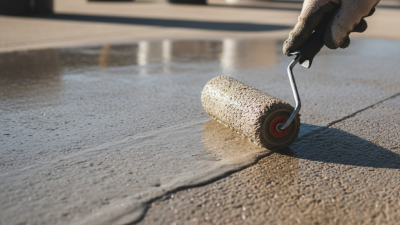
Tips: Test the sealer on three spare pavers. Clean efflorescence and oil first. Measure surface moisture before coating. Apply thin, even passes below the manufacturer’s temperature limit. Avoid sealing before rain, during strong sunlight, or on visibly damp joints. I have seen attractive finishes fail because trapped moisture turned them cloudy. That mistake is easy to repeat. Inspect annually for whitening, peeling, slippery areas, and open joints. Reapply only after confirming the old layer is compatible. For technical checks, compare product claims with relevant ASTM standards, such as ASTM C1315, and request independent laboratory data.