10 Essential Tips for Choosing Retaining Wall Blocks for Your Project?
When embarking on a landscaping project that involves creating a retaining wall, the choice of retaining wall blocks is crucial. These blocks support soil and prevent erosion, making them a vital component in many outdoor designs. Selecting the right materials can enhance both the functionality and aesthetics of your structure. However, this choice can often be overwhelming due to the myriad of options available.
Consider the landscape's specific requirements. The soil type, drainage patterns, and climate conditions all impact your decision. Different retaining wall blocks offer varying degrees of strength and durability. Some may be visually appealing but lack the necessary structural integrity. It is essential to evaluate these factors while also considering your project's long-term needs.
Don't overlook potential pitfalls. While it's tempting to choose the cheapest option, this can lead to costly repairs in the future. Seeking advice from professionals or experienced homeowners can provide valuable insights. Carefully assessing your choices will not only lead to a successful outcome but also contribute to a sustainable environment.
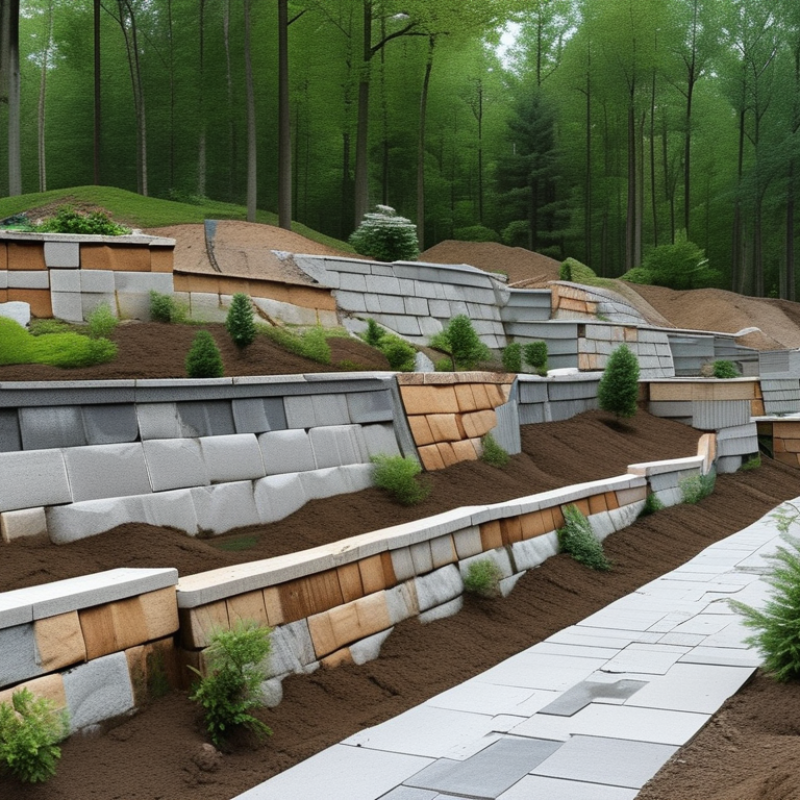
Understanding the Purpose of Retaining Walls in Landscaping Projects
Retaining walls serve a crucial role in landscaping projects. They manage soil erosion and create level areas in sloped landscapes. Properly designed, these walls enhance aesthetics and functionality. According to a report by the American Society of Landscape Architects, retaining wall structures can prevent up to 50% of soil runoff in heavily sloped areas. This means they play a significant role in landscape sustainability.
Selecting the right material for retaining walls is equally vital. Concrete and natural stone are popular choices due to their durability. A study from the National Association of Home Builders shows that well-constructed retaining walls can last over 25 years, making them a sound investment. However, many projects face challenges, such as drainage issues or improper installation. These can lead to wall failure or damage.
Involving a professional can mitigate risks. Their expertise ensures that the walls meet local building codes. It's important to consider the specific soil type and climate in your area. For instance, clay soils expand and contract more than sandy soils. This fact can heavily influence wall stability. Understanding these details can help you make smarter choices for your retaining wall project.
Evaluating Different Types of Retaining Wall Blocks Available on the Market
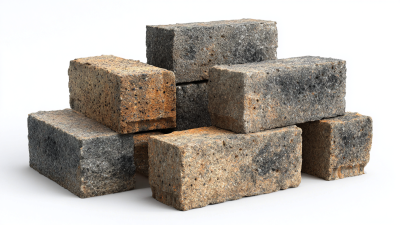
When selecting retaining wall blocks, understanding the differing types available is crucial. The most common materials include concrete, stone, and timber. Each offers unique aesthetics and structural advantages. Data from the National Concrete Masonry Association shows that concrete blocks dominate the market, accounting for over 55% of all retaining wall systems installed in residential projects. This popularity stems from their durability and resistance to weather.
Stone blocks appeal to many due to their natural look. However, their cost often makes them less accessible. According to a report by the American Society of Landscape Architects, stone walls can increase project costs by up to 40%. Timber retaining walls provide a more affordable option but require significant maintenance and may not last as long as their stone or concrete counterparts. Regular treatment is necessary to prevent rot.
Choosing the right block type isn't just about cost. Each option differs in eco-friendliness, installation ease, and longevity. The U.S. Green Building Council emphasizes sustainable materials that have a lower environmental impact. This insight prompts reflection on lasting solutions. Selecting the wrong type may lead to future repairs, costing more over time.
Considering the Aesthetic Appeal of Retaining Wall Blocks for Your Design
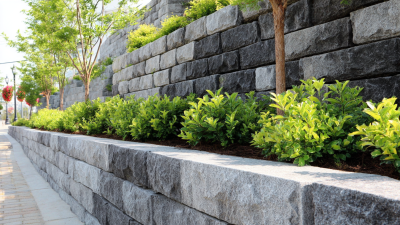
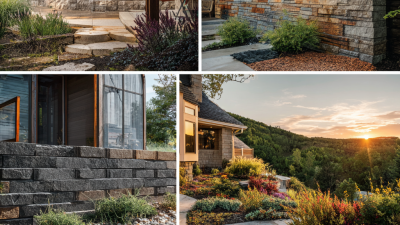
When selecting retaining wall blocks, aesthetic appeal is crucial. The right style can transform a functional structure into a stunning visual statement. You should consider how the colors, textures, and shapes of the blocks blend with your overall landscape design. For a more natural look, choose stones that mimic local geology. If your home has a modern feel, sleek and clean lines may work best.
Visual cohesion is not just about color but also about size and scale. Larger blocks can create a strong presence, while smaller stones can create intricate patterns.
Think about how shadows and light will play on the surface of the blocks throughout the day. A specific finish can also enhance the appearance. For example, a rough-hewn texture adds character, while a smooth finish offers a clean look. Don’t overlook how these choices affect the overall atmosphere of your outdoor spaces.
As you delve into these decisions, you might face uncertainties. Perhaps you’re unsure whether a bold color will clash with your garden. Or maybe you're torn between different textures.
It’s okay to experiment. Sketch your ideas or use digital tools to visualize your designs. Remember, not every choice will be perfect on the first try.
The process of selecting the right blocks can lead to insights that improve your final design. Take your time, and don’t hesitate to iterate on your vision.
Assessing Durability and Weather Resistance of Retaining Wall Materials
When selecting retaining wall blocks, assessing durability and weather resistance is crucial. Materials should withstand temperature fluctuations and moisture. Look for options that resist fading and cracking under harsh conditions. Concrete and stone are popular choices due to their resilience, but not all may perform equally well across different climates.
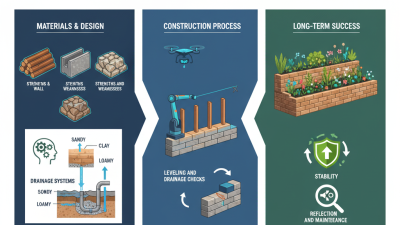
Consider local weather patterns when choosing your materials. In areas with heavy rainfall, choose blocks that offer excellent drainage properties. This helps prevent erosion and water buildup, which can weaken the wall. You can enhance durability through additional features like drainage channels or gravel backfill.
When evaluating your options, think about your project's unique challenges. Long-term performance is vital. Block limitations might arise from specific climates, so research thoroughly. Remember, durability is not just about initial cost but also future maintenance. Make informed decisions based on local climate conditions to ensure your retaining wall stands the test of time.
10 Essential Tips for Choosing Retaining Wall Blocks for Your Project
| Tip Number |
Tip |
Material Type |
Durability Rating |
Weather Resistance |
| 1 |
Select Appropriate Block Size |
Concrete |
High |
Excellent |
| 2 |
Assess Soil Type |
Boulder |
Medium |
Good |
| 3 |
Consider Drainage Solutions |
Retaining Wall Block |
High |
Excellent |
| 4 |
Evaluate Local Climate Conditions |
Natural Stone |
Very High |
Excellent |
| 5 |
Check Weight and Installation Ease |
Hollow Block |
Medium |
Good |
Calculating Costs and Budgeting for Your Retaining Wall Project
When budgeting for your retaining wall project, start by assessing material costs. Research shows that the average price for retaining wall blocks ranges from $10 to $30 per square foot. This typically excludes labor, which can add another 50-100% to your total costs. Use online calculators to estimate the quantity of blocks needed based on the wall dimensions. Always add 10-15% for waste and breakage.
Another factor to consider is site preparation. Poor soil conditions may require additional investment in drainage systems. The American Society of Civil Engineers estimates that improper drainage can increase overall project costs by up to 30%. Invest in proper grading and drainage to avoid future expenses.
Lastly, budget for maintenance. Some materials may need reinforcement or replacement. While initial savings on cheaper material may be appealing, consider long-term durability. A well-planned budget should account for these variables, ensuring a stable and aesthetically pleasing structure. Reflecting on these aspects can significantly influence the overall success of your retaining wall project.
Cost Estimation for Retaining Wall Projects
This chart represents the estimated costs associated with a retaining wall project. The metrics include the height of the wall, the total square footage, the cost of blocks per square foot, and the total estimated cost of the project. These parameters can help in budgeting and planning for retaining wall construction.