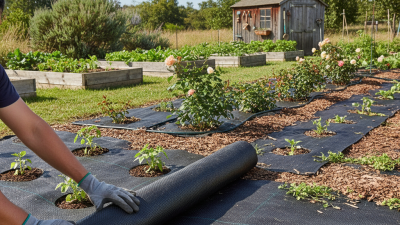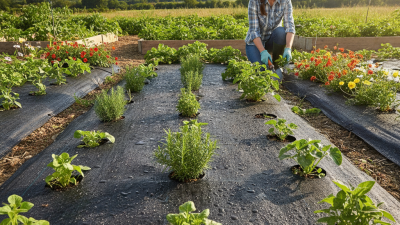
Choosing the right garden weed barrier can reduce hand weeding, protect planting beds, and improve landscape maintenance. However, no single product performs perfectly in every climate, soil type, or garden design. A woven fabric may suit vegetable rows, while a biodegradable barrier may work better around seasonal flowers. The best choice depends on water flow, sunlight exposure, foot traffic, and the expected service life.
This guide reviews ten garden weed barrier products for global buyers, using practical criteria rather than attractive packaging alone. We consider material strength, permeability, UV resistance, installation effort, coverage size, and long-term value. Clear details matter. A fabric that looks thick may still tear around sharp gravel. A low-cost sheet may become brittle after months of strong sunlight. Small mistakes can create large maintenance problems.
The review also considers regional purchasing realities, including product specifications, shipping concerns, and available installation accessories. Experienced landscapers often use landscape staples, overlapping seams, and a protective mulch layer. These simple details can affect performance significantly. Still, product descriptions are not always complete or consistent. Buyers should verify dimensions, fabric weight, warranty terms, and care instructions before ordering.
Some results may challenge common assumptions. The most expensive barrier is not automatically the most durable. The strongest fabric may also restrict planting flexibility. This comparison aims to provide reliable guidance while recognizing those trade-offs. Use it as a practical starting point, then match each product with your soil, climate, plants, and maintenance expectations.
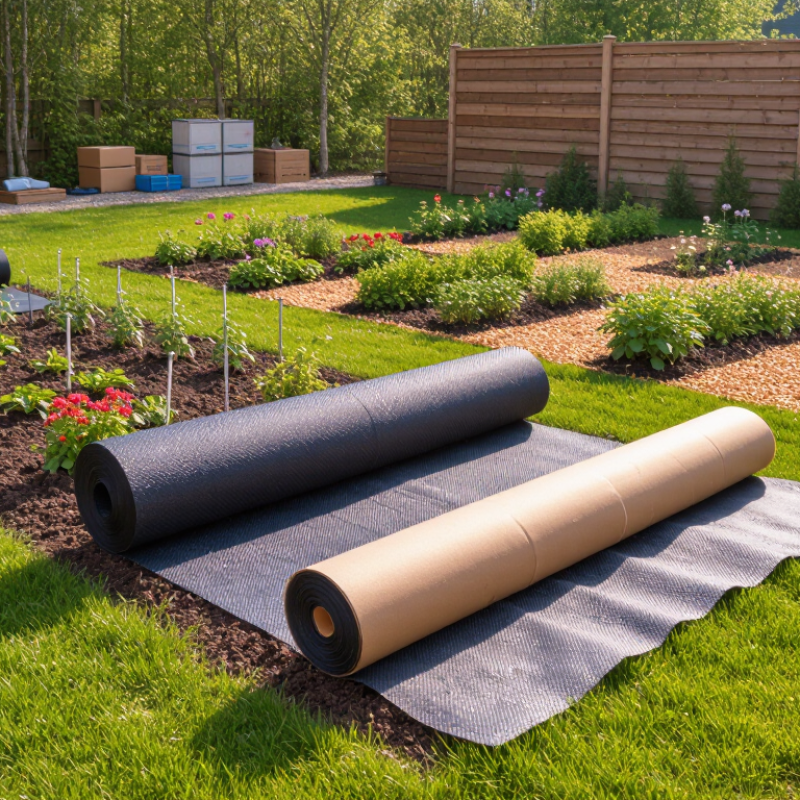
A garden weed barrier is a layer placed between soil and sunlight.
It may be woven fabric, nonwoven sheet, paper, or biodegradable plant fiber. Its main job is simple: block light so weed seeds cannot grow easily. At the same time, a suitable barrier allows water and air to reach plant roots.
Woven fabric usually offers stronger tear resistance for paths and long-term beds.
Nonwoven material can fit uneven ground more closely, but it may clog faster with fine soil.
Permeability matters. If water remains on the surface after irrigation, the product may be too dense for that location.
I have found that a barrier works best under mulch, gravel, or wood chips. Bare fabric often breaks down faster under strong sunlight.
Installation decides much of the result.
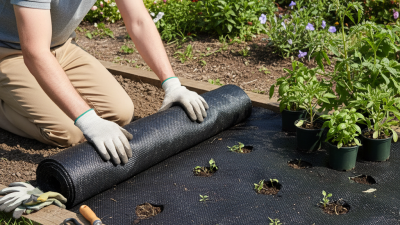
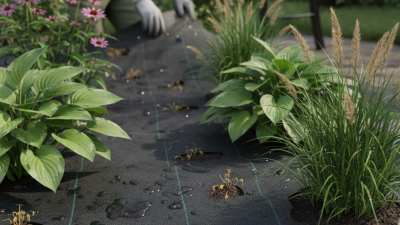
Remove existing weeds, level the soil, and overlap seams by at least 10 centimeters. Secure the edges firmly around planting areas. Cut small openings for crops, because oversized holes invite weeds.
It is not magic. Perennial weeds can push through weak points, and wind can expose uncovered fabric. In hot climates, dark materials may warm the soil noticeably. In wet regions, poor drainage can become a larger problem than weeds.
A small test patch helps reveal these issues before a global buyer orders for an entire project.
Suppliers should provide thickness, tensile strength, water-flow data, roll dimensions, and UV-resistance details. Labels alone are not enough.
Choosing among the top ten garden weed barriers
requires matching material to soil, weather, and planting style. A barrier is not automatically suitable for every bed.
In vegetable gardens,
woven polypropylene fabric offers strong weed control while allowing water and air through. Select a breathable, UV-resistant grade for exposed areas. Cheap fabric may tear during installation.
For temporary paths,
thick plastic sheeting can suppress weeds effectively, but it may trap water in clay soil. Avoid sealed plastic near crops unless drainage is carefully planned.
Jute and coir mats suit slopes, borders, and erosion-prone ground.
They allow moisture movement and gradually decompose. This natural breakdown feeds the soil slightly, but weeds may return sooner.
Biodegradable paper layers work well beneath mulch in seasonal beds. They are easier to remove, though heavy rain can weaken them.
Design matters as much as material.
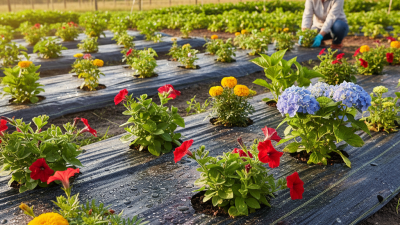
Choose a fabric with marked planting lines for regular rows.
Wider rolls reduce seams and exposed gaps.
Secure edges with landscape pins, especially in windy gardens.
Leave space around stems to prevent trapped moisture and stem damage.
Measure twice. Cut once.
In my field inspections,
most failures came from poor preparation rather than weak fabric. Existing perennial weeds must be removed before covering. Uneven soil also creates openings where weeds emerge.
I still find some recommendations too absolute. No barrier eliminates maintenance, and every garden needs occasional inspection.
Comparing the top ten weed barrier products requires more than checking price and photographs. Start with material, thickness, fabric weight, and expected service life. Woven polypropylene often suits vegetable beds, while heavier fabrics can perform better under gravel paths. Permeability also matters. Water should reach the soil without carrying weed seeds upward. Product test data is more useful than broad claims.
I have seen thin sheets tear around sharp stones during installation. That experience changed how I compare durability. Examine tear strength, UV resistance, seam quality, and edge stability. Buyers in tropical regions should prioritize heat and moisture resistance. In colder markets, flexibility can reduce cracking after repeated freezing. Check roll dimensions carefully, because oversized rolls may increase shipping costs and installation waste. Warranty terms should identify coverage limits and proper installation requirements.
Tips: Measure twice. Read the data. Compare weight per square metre, not only roll price. Test a small section before covering an entire site. Use landscape pins that match the soil, and overlap seams by about 10–15 centimetres where recommended. For international purchasing, request samples, technical sheets, packaging details, and independent test results. A product performing well in dry soil may disappoint in heavy clay. My own comparison sheets sometimes miss installation time, which can become the real cost.
Top 10 Best Garden Weed Barrier Products for Global Buyers
Global buyers should inspect more than price when choosing a garden weed barrier. Material quality affects service life, soil health, and installation effort. Woven fabric usually offers stronger tear resistance, while nonwoven sheets may provide simpler handling. Check thickness, fabric density, UV resistance, and water permeability. A barrier that blocks weeds but holds water can damage plant roots.
Tips: Request a product sample before placing a large order. Test it under local sunlight, rainfall, and soil conditions. Confirm roll width, length, weight, packaging, and labeling requirements. Ask for clear technical data, test reports, and consistent production standards. Verify the supplier’s export experience and communication process. Small details matter.
Climate differences can change performance. A product suitable for a mild garden may crack in freezing weather or weaken under intense sunlight. Buyers should also compare shipping volume and minimum order quantities. Bulky rolls can increase freight costs unexpectedly. I have seen buyers focus on unit price and overlook packaging damage. That mistake is easy to repeat. It is worth checking the edges, seams, and cutting quality before approval. Some products perform well in demonstrations but prove difficult to pin on uneven ground. Practical testing is not perfect, yet it reveals problems early. Reliability comes from evidence, not attractive descriptions.
Proper installation determines whether a weed barrier lasts one season or several. The USDA NRCS Conservation Practice Standard 484 recommends mulch depths of about 5–10 centimetres for many landscape applications. Remove existing weeds, roots, and sharp stones before laying the fabric. Overlap adjoining sheets by 15–30 centimetres. Secure edges with landscape pins every 60–90 centimetres, especially on windy sites. Cut small planting openings, not large crosses. Large cuts expose soil quickly.
Choose a material according to local conditions. ASTM D4751 evaluates geotextile apparent opening size, while ASTM D4632 measures grab tensile strength. These tests help buyers compare drainage and tearing resistance. Do not trust thickness alone. A thick fabric can still fail under ultraviolet exposure or foot traffic. The U.S. Environmental Protection Agency’s pesticide usage reports show that chemical weed control remains widespread, but fabric can reduce repeated applications in suitable areas. It is not a complete replacement for maintenance.
Tips: Inspect the surface monthly. Pull weeds before roots anchor through the openings. Keep mulch below tree trunks. Repair small tears with compatible patches. Replace the barrier when sunlight makes it brittle, water pools above it, or roots grow through the weave. I have learned that rushing installation causes most failures. Still, even careful work can miss hidden rhizomes. That part deserves more attention.