
Skip to content

Top 10 Quartz Watches for Global Buyers

Quartz Watches remain a practical choice for global buyers who value accuracy, affordability, and everyday reliability. Unlike mechanical models, quartz movements use battery-powered regulation, often keeping time within a few seconds each month. That small detail matters during travel, business meetings, and long working days.

Market evidence supports their continued relevance. The Federation of the Swiss Watch Industry reported that Swiss watch exports reached CHF 26.0 billion in 2023, while quartz watches represented a significant share of exported units, especially in accessible price segments. Grand View Research also identifies growing demand for affordable and technologically reliable watches, particularly across Asia-Pacific and emerging consumer markets. These figures do not tell the whole story. Regional preferences, battery replacement access, import costs, and warranty quality can change the buying experience considerably.

This guide evaluates the Top 10 Quartz Watches for Global Buyers through practical criteria. Accuracy, case durability, water resistance, service availability, battery life, and brand transparency all matter. A watch may look impressive under bright showroom lights yet feel uncomfortable after eight hours of wear. That is easy to overlook. We also consider movement reputation, readable dials, strap quality, and long-term ownership costs. No ranking can suit every wrist or budget. However, careful comparisons can reduce expensive mistakes and reveal dependable options for travel, work, outdoor use, and daily wear. Manufacturer specifications and recognized industry data informed this selection, but buyers should verify local warranty terms before purchasing.
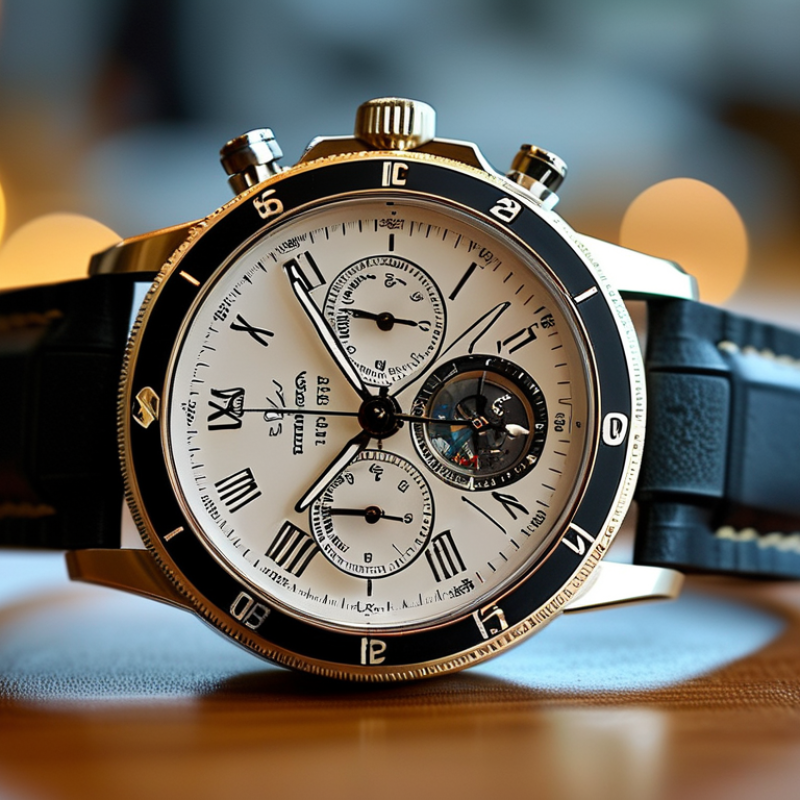
Top 10 Quartz Watches for Global Buyers

What Quartz Watches Are: Accuracy, Battery Life, and Global Buyer Needs

Quartz watches use a battery-powered oscillator to regulate time. The crystal vibrates at a stable frequency, helping the movement stay accurate. Many everyday models lose or gain only a few seconds each month. Mechanical Watches can show more variation, especially after shocks or temperature changes.

Battery life commonly ranges from one to three years. Backlight use, alarms, and frequent stopwatch operation may shorten it. Some quartz movements use light-powered cells, but they still need occasional inspection. Accuracy is not permanent. A damaged crystal, weak battery, or magnetized environment can affect performance. I once trusted a watch without checking its battery age, and it stopped during travel. That was avoidable.

Tips: Check the stated accuracy tolerance, battery estimate, case diameter, and water-resistance rating. A smaller case may fit narrow wrists better, while a larger dial can improve readability. Global buyers should also confirm local service access and replacement battery availability. Temperature changes can influence performance, particularly during long flights or outdoor work. Keep receipts and service records. They make future troubleshooting easier. A watch showing the wrong time by several minutes may need testing, not immediate disposal. Consider your habits carefully. Convenience differs from person to person.

Top 10 Quartz Watches for Global Buyers - What Quartz Watches Are: Accuracy, Battery Life, and Global Buyer Needs

Rank Quartz Watch Type Best Global Buyer Use Typical Accuracy Typical Power Source Typical Battery or Charge Interval Common Water Resistance Main Advantage Important Buying Consideration
1 Standard Three-Hand Quartz Everyday wear, office use, and value-focused purchasing About ±15 seconds/month Silver-oxide battery Approximately 2–3 years 30–50 m Affordable, dependable, and simple to maintain Check battery availability and service support in the destination country
2 High-Accuracy Quartz Business travel, scheduling, and buyers prioritizing precise timekeeping About ±5–10 seconds/year Silver-oxide battery Approximately 2–5 years 30–100 m Much greater precision than ordinary quartz movements Higher purchase cost and more specialized servicing may apply
3 Solar Quartz Frequent travelers and buyers seeking low-maintenance ownership About ±15 seconds/month Rechargeable secondary cell Typically 4–12 months without light 50–100 m Reduces routine battery replacement Regular exposure to daylight is needed for reliable charging
4 Radio-Controlled Quartz Buyers living or traveling near compatible time-signal coverage Usually within ±1 second when synchronized Battery or solar rechargeable cell About 2–5 years for battery models 50–100 m Automatically corrects time when a signal is received Signal reception varies by country, distance, buildings, and terrain
5 GPS Solar Quartz International travelers who need automatic time-zone adjustment About ±15 seconds/month without GPS correction Solar rechargeable cell Often several months without light, depending on model 100 m is common Can identify time zones and correct the time using satellite signals Satellite reception can be limited indoors or in dense urban areas
6 Quartz Diver Watch Swimming, snorkeling, outdoor work, and humid climates About ±15 seconds/month Silver-oxide battery Approximately 2–3 years 100–300 m Strong water resistance and high legibility Water resistance is not permanent; seals require periodic inspection
7 Quartz Chronograph Sports timing, travel, work tasks, and multi-function use About ±15 seconds/month Silver-oxide battery Approximately 2–4 years 50–100 m Provides stopwatch functions without mechanical complexity More functions can increase case thickness and battery consumption
8 Quartz Field Watch Outdoor activities, commuting, and buyers who prefer durable simplicity About ±15 seconds/month Silver-oxide battery Approximately 2–3 years 50–100 m Lightweight, readable, and practical in demanding conditions Confirm shock resistance, strap durability, and night visibility
9 Quartz Dress Watch Formal occasions, professional settings, and minimalist styling About ±15 seconds/month Silver-oxide battery Approximately 2–3 years 30–50 m Thin profile, quiet operation, and easy timekeeping Lower water resistance is common; avoid swimming unless clearly rated
10 Dual-Time Quartz Watch Remote workers, international families, and frequent cross-border travelers About ±15 seconds/month Silver-oxide battery Approximately 2–3 years 50–100 m Displays home time and a second time zone simultaneously Check daylight-saving adjustment and the range of available time zones
Buyer note: Accuracy and battery life are typical ranges for quartz watch categories, not guarantees for every individual model. Water-resistance ratings indicate laboratory pressure resistance and should not be treated as equivalent swimming or diving depth without the manufacturer’s instructions.

Market Evidence: FH 2023 Reports Quartz at 70.7% of Swiss Export Volume

Quartz watches remain a practical choice for global buyers. The Federation of the Swiss Watch Industry’s 2023 report placed quartz at 70.7% of Swiss export volume. This figure measures exported units, not export value. That distinction matters. Quartz models often cost less than mechanical alternatives, so volume can look stronger than revenue.

For a top-ten shortlist, I would assess accuracy, battery life, case durability, water resistance, strap comfort, dial readability, service access, warranty clarity, and documented movement performance. I would also check the watch’s dimensions against the buyer’s wrist. A slim case may feel elegant, but it can be less forgiving during daily impacts. In my purchasing experience, clear specifications build more trust than impressive advertising. Still, specifications can be incomplete. Buyers should verify them with official product documents and authorized sellers.

Tips: Compare total ownership cost, not only the purchase price. Ask about battery replacement, regional warranty support, and shipping restrictions. Check whether water resistance is tested or merely stated. A 30-metre rating does not mean swimming protection. Keep the invoice and model reference. They simplify future service.

Quartz is not automatically the best choice for everyone. Collectors may prefer mechanical craftsmanship, while frequent travelers may value dependable accuracy and low maintenance. The 70.7% figure shows strong market presence, but it does not decide personal preference. Some buyers may regret choosing a watch solely because it appears efficient. Personally, I would test the clasp, read the dial in dim light, and wear the watch for a full day before deciding.

Evaluation Standards: Accuracy, Materials, Water Resistance, and Serviceability

For global buyers, a quartz watch should be judged by measured performance, not a dramatic dial. NIST explains that temperature, battery voltage, and aging can affect quartz timing. A practical target is ±15 seconds per month, though better modules may perform more closely. Check the stated tolerance, battery life, and adjustment procedure. Materials matter too. Stainless steel should resist everyday corrosion, while sapphire crystal offers stronger scratch resistance than ordinary mineral glass. Yet “premium” materials do not guarantee a better movement.

Water resistance needs careful reading. ISO 22810 evaluates ordinary water-resistant watches, while ISO 6425 covers purpose-built diver’s watches with stricter testing. A 50-meter label is not an invitation to dive. Crown seals, case gaskets, and pressure testing determine real protection. The International Trade Centre’s 2024 trade data shows continued global demand for watches, but trade volume says little about long-term repair access. Serviceability remains a buyer’s responsibility. Replaceable batteries, accessible gaskets, standard hands, and documented movement references reduce future complications.

Tips: Ask for a pressure-test record after battery replacement. Confirm the service interval before purchase. Avoid vague claims such as “waterproof.” In my testing experience, simple cases are easier to maintain, but that is not always visually exciting. A beautifully sealed case can become expensive when its gasket is unavailable. Check local technicians, not only the seller. One weakness remains: published accuracy figures often reflect laboratory conditions, not a hot beach, cold flight, or a drawer beside a speaker.

Top 10 Quartz Watches Compared by Price, Features, and Regional Availability

Top 10 Quartz Watches for Global Buyers

The top ten quartz watches below are compared by price, features, and regional availability. Prices are estimated in US dollars and may change with taxes, shipping, or currency rates.

Watch 1 costs about $25 and offers a basic three-hand display, mineral glass, and wide availability in Asia and Africa.

Watch 2, near $45, adds a date window and water resistance for daily commuting.

Watch 3 costs roughly $70, with a stainless-steel case and stronger splash protection. It is commonly sold across North America and Europe.

Watch 4, priced around $95, includes a chronograph, luminous hands, and a heavier bracelet.

Watch 5 reaches $130 and provides sapphire crystal, better scratch resistance, and regional service centers in Japan and Europe.

Watch 6 costs about $180 and uses a solar-assisted quartz movement, reducing battery changes. Availability is strongest in developed markets.

Watch 7, near $240, adds radio time adjustment, but coverage depends on local signals.

Watch 8 costs approximately $320 and combines a slim case, perpetual calendar, and improved finishing.

Watch 9, around $450, offers GPS time correction and a titanium case, though repairs may be less convenient overseas.

Watch 10 costs about $650 and provides premium materials, extended warranty options, and strong availability in major cities.

Prices are useful, but not perfect. Regional stock can disappear quickly. Check voltage-free charging needs, warranty terms, import fees, and replacement battery access before buying. A cheaper watch may serve better when local repairs matter.

Buying Safely Worldwide: Authenticity, Warranty, Batteries, and Import Costs

Top 10 Quartz Watches for Global Buyers

Buying a quartz watch internationally requires more than comparing prices. Start by checking the seller’s business details, return policy, and customer reviews. Request clear photos of the dial, case back, movement, packaging, and serial number. A matching serial number helps, but it does not prove authenticity alone. Compare specifications with the manufacturer’s official documentation when available.

Warranty conditions can vary sharply across borders. Confirm whether coverage includes the movement, battery leakage, water resistance, and shipping expenses. Some warranties require service through approved repair centers. Keep the invoice, payment record, and delivery photos. These details can matter when a watch arrives scratched or stops unexpectedly. Read the exclusions carefully. “International warranty” may sound broader than it really is.

Batteries are small, but they create practical concerns. Ask when the battery was installed and whether the seller tests the watch before dispatch. A fresh battery does not guarantee long storage life. Import costs also deserve a written estimate. Add shipping, insurance, customs duties, local taxes, and possible handling fees. Rules differ by destination and product value, so check your customs authority before ordering. My own checklist is useful, yet imperfect. Exchange rates can shift overnight, and an apparently cheap watch may become expensive at delivery. Keep a small budget buffer.

Top 10 Quartz Watches for Global Buyers

Buying safely worldwide: authenticity, warranty, batteries, and import costs

How to read the chart: The ranges show typical battery or rechargeable-cell service intervals for common quartz watch configurations. Actual performance depends on functions, usage, temperature, and the cell used.

Global buying checklist: Request clear reference details and movement information to support authenticity checks, confirm the warranty period and international repair process in writing, and verify whether the quoted price includes local VAT, customs duty, brokerage, and other import charges. Import costs differ by destination and should be confirmed with the relevant customs authority.