2026 Top Benefits of Using Polymeric Sand for Pavers
Polymeric sand for pavers has gained popularity among homeowners and landscapers alike. Many people are unaware of its numerous benefits. This unique material not only enhances the visual appeal of patios and walkways but also offers practical advantages.
One of the key features of polymeric sand is its ability to resist weeds. Traditional sand often allows unwanted plants to grow. With polymeric sand, the polymer additives bind the sand particles. This creates a durable surface that prevents weed growth effectively. Additionally, it helps in keeping insect infestations at bay, which is a significant concern for many.
Moreover, polymeric sand for pavers provides stability. It minimizes movement between pavers, reducing the chance of shifting. This stability contributes to the longevity of your hardscaping projects. However, installing polymeric sand is not without its challenges. It requires careful attention during application to avoid mistakes. With proper preparation, the benefits far outweigh any potential drawbacks.
Benefits of Polymeric Sand for Paver Installation and Maintenance
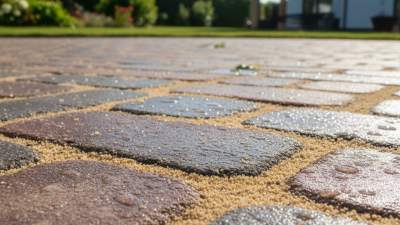
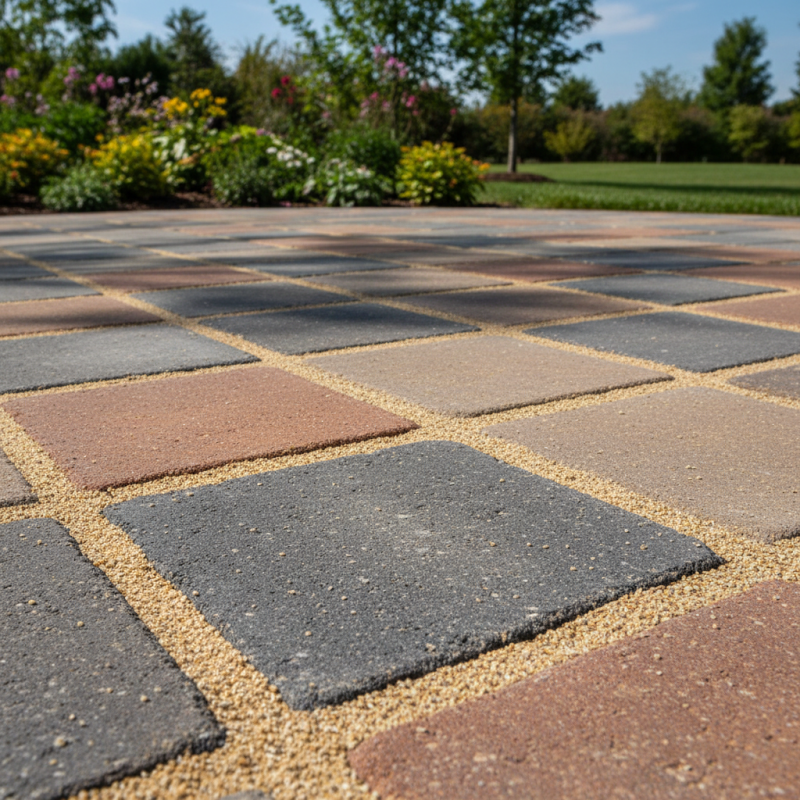
Polymeric sand is a game-changer for paver installation and maintenance. It offers several benefits that enhance outdoor spaces. This sand hardens when wet, creating a solid bond between pavers. This bond keeps weeds from sprouting through the joints. It also prevents erosion from water and rain.
Using polymeric sand can make your paver surfaces last much longer. Homeowners often appreciate these long-term benefits. However, it's essential to apply it correctly for maximum effectiveness. If applied during rain, it may not set properly. This could lead to poor results and wasted effort.
Tip: Always choose dry weather for installation. This way, the polymeric sand will adhere properly. Regular maintenance is crucial as well. Sweep away any debris to maintain the appearance and function. Remember, while polymeric sand provides many advantages, it requires careful handling.
Enhanced Stability and Structure of Paver Surfaces with Polymeric Sand
Polymeric sand is rapidly becoming a popular choice for enhancing paver surfaces. It offers improved stability and structure, making it an essential component for any paving project. When properly installed, this type of sand fills the joints between pavers, helping to lock them in place. This prevents shifting and ensures that your patio or walkway remains intact.
The binding agents found in polymeric sand create a strong connection between the pavers. As rainwater contacts this sand, it hardens, making the surface more resistant to erosion. This means fewer weeds and ants, which often disrupt the aesthetics of landscaping. Additionally, homeowners find that the enhanced stability reduces maintenance costs over time. Yet, one must consider the installation process. If not applied correctly, it may not achieve the desired effect.
While polymeric sand is highly effective, it’s not infallible. Improper mixing or application can lead to unsightly residue on the pavers. Regular examination and reapplication might be required to maintain its effectiveness. Sometimes, this might feel frustrating. However, the long-term benefits generally outweigh these minor hiccups. Embracing polymeric sand can lead to a more visually appealing and durable outdoor area.
Benefits of Using Polymeric Sand for Pavers
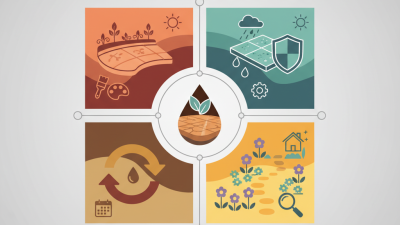
Polymeric sand provides significant benefits when used with paver installations. The chart above illustrates the various advantages rated out of 10, demonstrating the importance of increased stability and structure afforded by polymeric sand.
Resistance to Weeds and Insects: How Polymeric Sand Protects Pavers
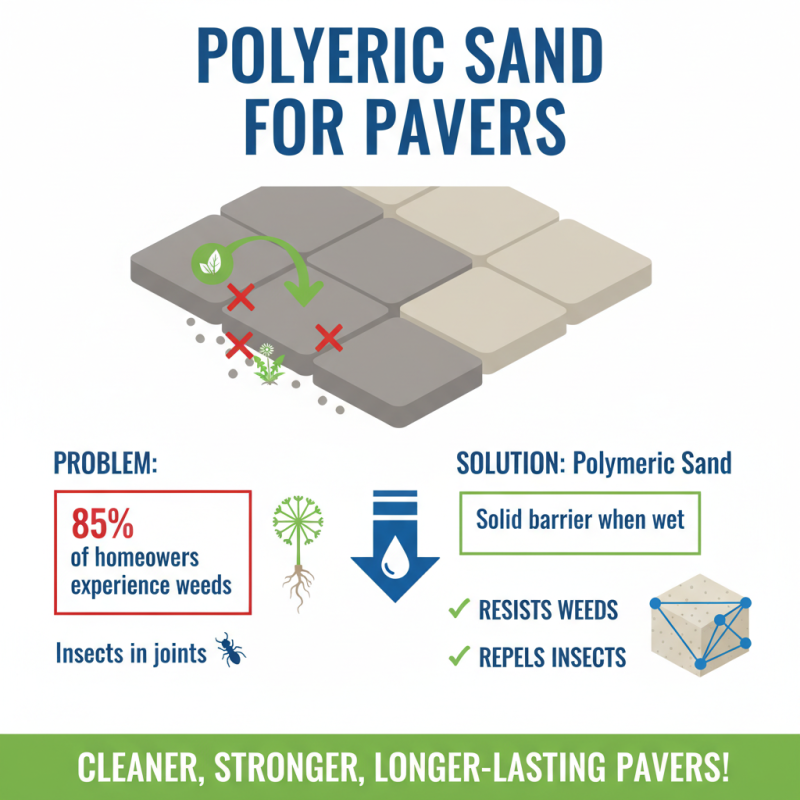
Polymeric sand offers significant advantages for paver installations, particularly in resisting weeds and insects. One study shows that up to 85% of homeowners experience weed growth in paving joints without proper protection. This is where polymeric sand shines. Unlike traditional sand, polymeric sand contains additives that bind particles together when wet. This creates a solid barrier that discourages weed seeds from taking root.
Moreover, this product helps combat pests. Insects often find their way through conventional sand joints, making it easy for them to invade patios and walkways. In contrast, the cohesive nature of polymeric sand limits the gaps through which these insects might enter. Homeowners have reported a noticeable decrease in pest activity after switching to polymeric sand.
However, it’s essential to consider the installation process. If not applied correctly, polymeric sand can harden unexpectedly. Improper mixing or moisture levels can lead to uneven surfaces. Monitoring application steps carefully is vital for optimal results. The materials, while effective, require precision and attention to detail to ensure they perform as intended. Balancing the benefits with the need for meticulous installation can be challenging but rewarding for long-lasting, weed-free outdoor spaces.
Moisture Management: The Role of Polymeric Sand in Drainage
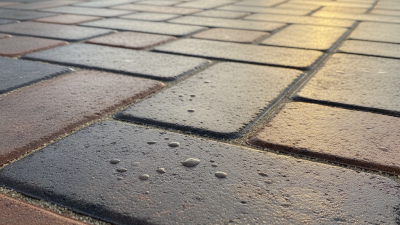
Polymeric sand is an essential component when it comes to effective moisture management for pavers. This unique sand is designed to fill the gaps between pavers, forming a solid bond that creates stability. With polymeric sand, water drainage is improved, preventing puddles and erosion in pathways and patios. It's impressive to see how this type of sand reacts with moisture.
When it rains, polymeric sand swells and hardens, reducing the risk of weed growth. However, achieving the right balance can be tricky. If too much water is applied during installation, it can lead to issues like clumping. Proper installation requires attention to detail, and many DIY enthusiasts overlook this step. Proper moisture management is vital for the longevity of outdoor spaces.
In addition, while polymeric sand offers great benefits, it is not without its flaws. Over time, it can lose its effectiveness due to weathering and wear. Regular maintenance is necessary to keep it functional. You may find that a few pavers settle or shift. This can lead to gaps where water can pool, which is counterproductive. Monitoring and addressing these issue is key to ensuring long-term drainage effectiveness.
2026 Top Benefits of Using Polymeric Sand for Pavers - Moisture Management: The Role of Polymeric Sand in Drainage
| Benefit |
Description |
Impact on Drainage |
| Improved Moisture Control |
Polymeric sand seals paver joints effectively to prevent water infiltration, reducing erosion. |
Minimizes standing water on pavements, enhancing drainage. |
| Weed Management |
Creates a dense surface that naturally inhibits weed growth between pavers. |
Reduces water clogging that promotes weed growth and drainage issues. |
| Stability of Pavers |
Enhances the interlocking of pavers, keeping them stable under varying weather conditions. |
Prevents shifting that can lead to drainage problems. |
| Long-lasting Results |
Resistant to erosion and degradation, ensuring longevity of paver installation. |
Maintains optimal drainage characteristics over time. |
| Aesthetic Appeal |
Available in various colors to match or enhance paver aesthetics. |
Enhances overall landscape, contributing to effective water flow management. |
Long-Term Aesthetics: Maintaining the Visual Appeal of Paved Areas
Polymeric sand is an essential component for maintaining the aesthetics of paved areas. It fills the gaps between pavers, creating a seamless look. The fine sand particles bond to each other when wet, forming a solid structure. This prevents shifting and settling over time. As a result, paved surfaces remain level and visually appealing.
The long-term visual impact is significant. Over the years, weeds tend to emerge between pavers. This disrupts the design and brings an untidy look. Polymeric sand reduces this issue, as it deters weed growth. However, the reality is that not all installations are perfect. Some areas may still see pests despite the use of polymeric sand. Regular maintenance is required to keep the pathways looking pristine.
Weather can also play a role in the aesthetics of paved areas. Heavy rains can wash away sand, creating gaps. Observing these changes is crucial. While polymeric sand enhances stability, it may need replenishment. After a few years, you might notice fading colors. Reflecting on the upkeep of these surfaces can help maintain their charm. Remember that even the best materials require care to shine.