Top 10 Benefits of Using Landscape Fabric for Your Garden?
Landscape fabric is a popular choice among gardeners and landscapers. It provides numerous benefits worth exploring. This material helps control weeds, keeping your garden tidy. Weeds can choke out desired plants. Using landscape fabric can minimize this issue significantly.
Moreover, landscape fabric aids in moisture retention. It allows water to penetrate while blocking harmful light to weeds. This unique quality helps maintain healthy soil conditions. However, one must consider proper installation for optimal results. Misplacement or inadequate covering can lead to issues, such as weed growth and soil depletion.
While landscape fabric delivers many advantages, it is not without limitations. Over time, some fabrics may degrade. Gardeners should inspect their fabric regularly. Awareness of these factors ensures you maximize the benefits of landscape fabric in your garden. Embracing this tool can lead to a flourishing, vibrant garden, but vigilance is key.
Understanding Landscape Fabric: What It Is and How It Works
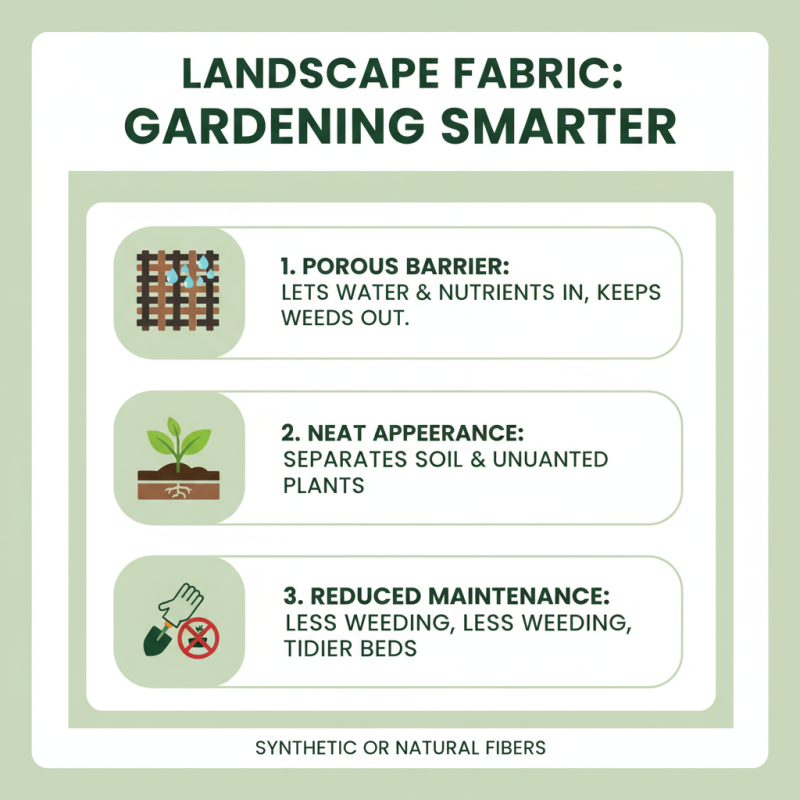
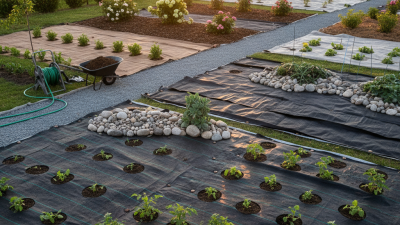
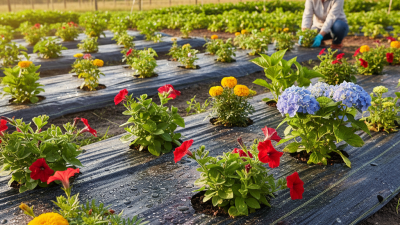
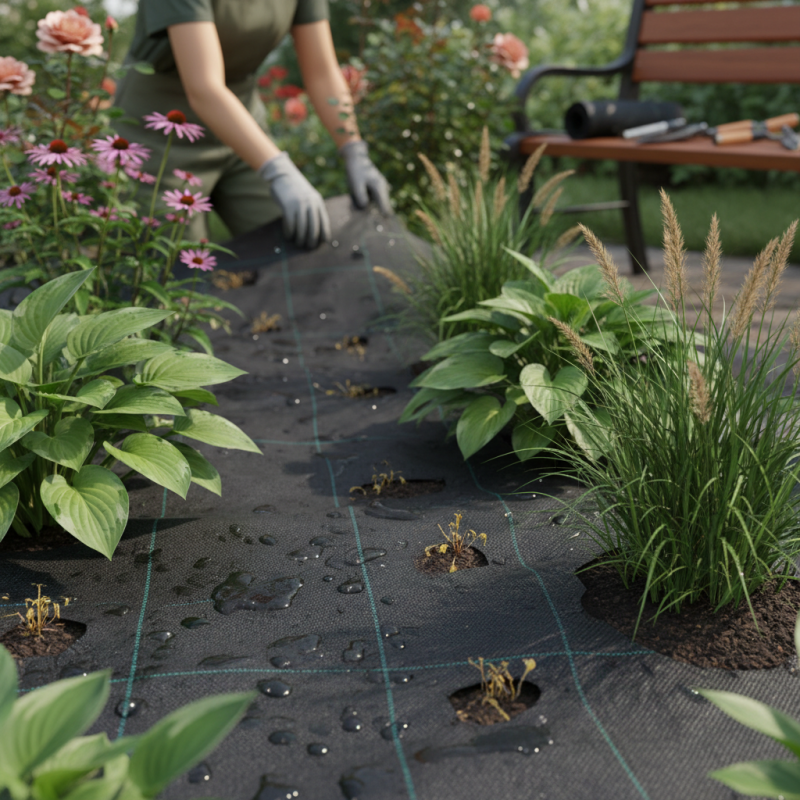
Landscape fabric serves as a helpful tool in gardening. It is a porous material that allows water and nutrients to pass through while blocking weeds. Made from synthetic fibers or woven natural materials, it provides a barrier between soil and unwanted plants. This gives your garden a neat appearance and reduces maintenance.
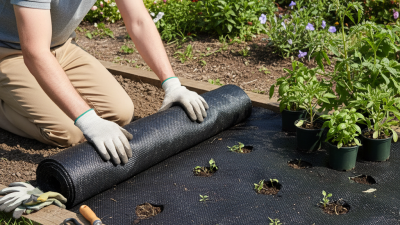
When you lay down landscape fabric, preparation is crucial. You must clear the area of existing weeds first. If you overlook this step, the fabric might not perform as expected. Over time, debris can accumulate on the surface. This can encourage weed growth, making you reconsider your installation techniques.
The longevity of the fabric also warrants reflection. Some types degrade under sunlight, while others may last for years. Regular checks are necessary to ensure it remains effective. A poorly placed fabric can lead to drainage issues, trapping water where it shouldn’t be. Gardeners should adapt their methods, balancing aesthetics with functionality for the best results.
Weed Control: How Landscape Fabric Prevents Weeds Naturally
Landscape fabric is a valuable tool for garden care. It helps control weeds naturally. By placing the fabric over the soil, you prevent sunlight from reaching the weeds. Without light, weeds struggle to grow. This simple method reduces the need for chemical herbicides, which can harm the environment.
However, using landscape fabric isn’t foolproof. Some weeds may still find a way to push through it. Regular monitoring is essential. Gardeners should check for any emerging weeds regularly. If left unchecked, these weeds can spread. Carefully pulling them out by hand can prevent larger issues later.
Another point to consider is that moisture retention can be a double-edged sword. While landscape fabric helps keep the soil moist, it can also cause water to pool if not installed correctly. This can lead to mold or root rot for some plants. Gardeners should ensure proper drainage around the fabric. With a little care, landscape fabric can significantly enhance garden growth while keeping weeds at bay.
Soil Health: Benefits of Allowing Air and Moisture Through Fabric
Landscape fabric has gained popularity for its role in promoting soil health. Its benefits in allowing air and moisture to permeate play a crucial role in fostering a thriving garden ecosystem. A 2019 study found that plants grow 20% more robustly when roots have access to both air and moisture. This improved growth highlights the importance of maintaining healthy soil conditions.
The fabric acts as a barrier against weeds while allowing essential nutrients to reach the soil. It can retain moisture, reducing the need for frequent watering. Yet, some users noted that improper installation could lead to water pooling. It’s essential to inspect for any areas where water might collect and cause root rot. A properly installed layer can enhance soil structure and encourage microbial activity.
Incorporating landscape fabric into your gardening strategy invites air circulation. Studies have shown that healthy microbial populations in the soil can lead to better nutrient cycling and less reliance on fertilizers. However, excessive reliance on fabric could stifle the natural replenishment of organic matter. Finding the right balance is key to achieving vibrant, sustainable growth.
Soil Temperature Regulation: How Fabric Affects Soil Conditions
Landscape fabric serves multiple purposes in gardening, but one of the most significant is soil temperature regulation. Studies indicate that effective temperature control can lead to improved plant growth and health. According to a report by the University of Florida, soil temperature fluctuations can impact seed germination and root development. When landscape fabric is used, it can help maintain a more stable soil temperature throughout the growing season.
One of the key benefits of landscape fabric is its ability to heat the soil faster in spring. A 2019 agricultural study highlighted that soil covered with fabric reached optimal planting temperatures about two weeks earlier than uncovered soil. Not only does this promote early plant growth, but it also extends the growing season, providing more opportunities for yields. However, it is important to consider that overuse can lead to issues. Soil may become too warm in summer, stressing plants that prefer cooler conditions.
Furthermore, while the fabric can help regulate moisture, improper installation can backfire. If water cannot drain properly, it may lead to root rot in some plants. Therefore, while using landscape fabric for soil temperature regulation is beneficial, careful planning is essential. Each garden is unique, and adjustments may be necessary to achieve the best results.
Easy Maintenance: The Time-Saving Advantages of Landscape Fabric
Landscape fabric can significantly reduce garden maintenance time. According to a study by the National Gardening Association, gardeners who use landscape fabric can cut down their weeding time by 80%. This substantial reduction means more time for planting and enjoying your garden. It acts as a barrier, preventing weed growth while allowing moisture and nutrients to reach the soil.
Moreover, the installation process is relatively simple. Many users find that a weekend is enough to cover a large area. However, measuring and cutting accurately can be challenging. In some cases, improper installation leads to gaps that may breed stubborn weeds. Once in place, landscape fabric remains effective for several years, minimizing the need for frequent replacements.
Users often notice that landscape fabric helps to retain soil temperature and moisture. A study from the University of Arkansas indicates that soil remains cooler in summer and warmer in winter when protected by fabric. Yet, those interested should avoid thinking it's a “set and forget” solution. Regular monitoring is key to ensure the fabric remains effective and does not become a habitat for pests.
Top 10 Benefits of Using Landscape Fabric for Your Garden
| Benefit |
Description |
Time Saved (Hours per Month) |
| Weed Control |
Reduces weed growth by blocking sunlight. |
5 |
| Soil Erosion Prevention |
Holds soil in place during heavy rains. |
3 |
| Moisture Retention |
Helps retain soil moisture, reducing watering frequency. |
4 |
| Easy Installation |
Simple to lay down and cut to size. |
2 |
| Long-lasting Benefits |
Durable fabric can last for years, saving time on replacements. |
6 |
| Improved Soil Quality |
Prevents soil compaction and allows for better aeration. |
3 |
| Pest Control |
Can deter certain pests from invading the garden. |
2 |
| Versatility |
Applicable in various gardening and landscaping projects. |
1 |
| Design Flexibility |
Can be easily cut and shaped to fit any landscape. |
2 |
| Aesthetic Improvement |
Provides a neat appearance to garden beds. |
2 |