What is a Silt Fence and How Does It Work for Erosion Control?
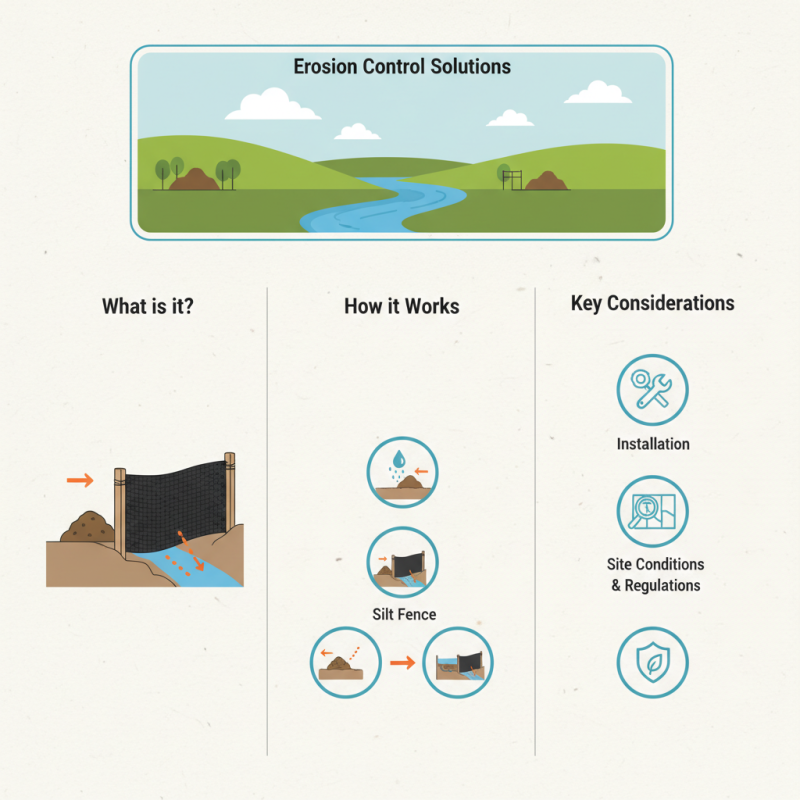
Erosion control is a vital aspect of construction and landscaping. Among the various tools available, the silt fence plays a crucial role. It is designed to manage sediment runoff during projects, protecting nearby water bodies from pollution.
A silt fence is typically made from porous fabric. This fabric allows water to flow through while trapping sediment. When installed correctly, it acts as a barrier against erosion. However, improper installation can reduce its effectiveness. It requires skilled labor to ensure maximum performance.
Understanding how a silt fence operates is essential for successful usage. It is not a one-size-fits-all solution. Site conditions and local regulations must be considered. While it offers significant benefits, challenges often arise. A reflective approach to installation can improve outcomes, ensuring both compliance and environmental protection.
What Is a Silt Fence?
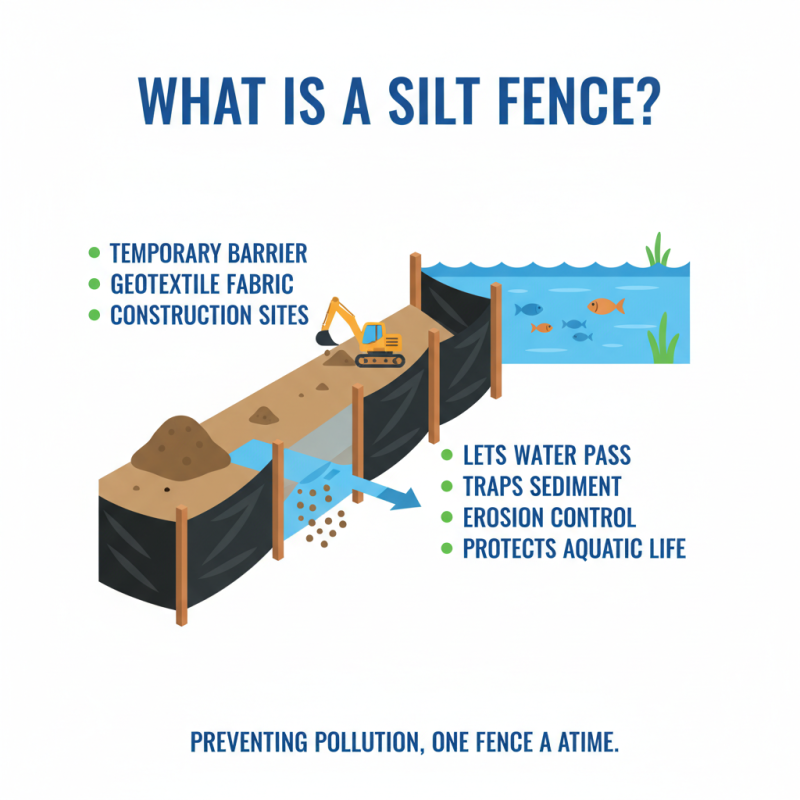
A silt fence is a temporary barrier made of geotextile fabric. It is primarily used in construction sites. This fabric allows water to pass through while trapping sediment. The main purpose is to control erosion and prevent silt from entering water bodies.
When soil becomes saturated, it can easily wash away. Silt fences capture this loose soil. They consist of sturdy posts that support the fabric. Proper installation is crucial for effectiveness. If the fence is too low or poorly anchored, it may fail. The fabric should be buried a few inches in the ground to prevent undercutting.
Silt fences must be monitored regularly. Over time, sediment builds up and can cause blockages. This requires maintenance to ensure continued performance. Many people underestimate this need. Additionally, the lifespan of the fabric can vary based on conditions. Understanding these details is vital for effective erosion control. Experts often emphasize that a one-size-fits-all approach does not apply here. Proper planning and execution are key to success.
Components and Materials of Silt Fences
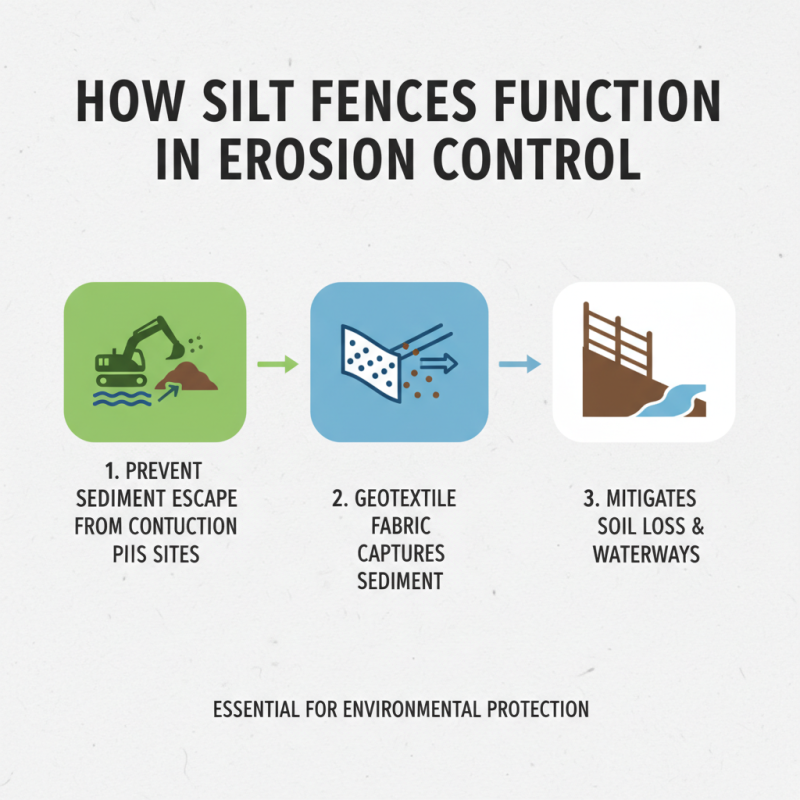
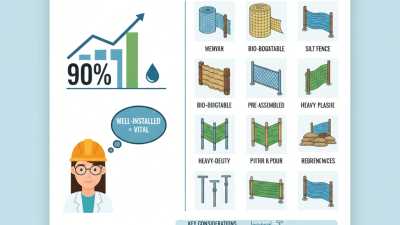
Silt fences are essential for controlling soil erosion at construction sites. They consist of a fabric material that is supported by wooden or metal posts. The fabric is typically made from geotextiles, which are designed to filter sediment while allowing water to flow through. This setup helps retain soil and reduces sediment pollution in nearby water bodies.
The effectiveness of silt fences largely depends on the materials used. According to industry standards, the fabric must have specific permeability and tensile strength to withstand environmental stress. A study by the American Society of Civil Engineers emphasizes that a well-installed silt fence can reduce sediment loss by up to 75%. However, improper installation and maintenance can significantly diminish their effectiveness. Regular inspections are necessary to ensure they remain intact and functional.
The components of a silt fence include the fabric, the supporting posts, and the anchoring methods. While the fabric itself plays a crucial role, the posts must be securely driven into the ground. This can be challenging in rocky terrains or areas with high water tables. Even minor design flaws can lead to failures, highlighting the importance of a thoughtful approach to erosion control.
Installation Process of Silt Fences
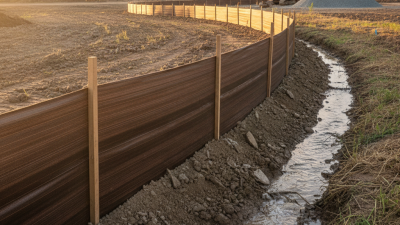
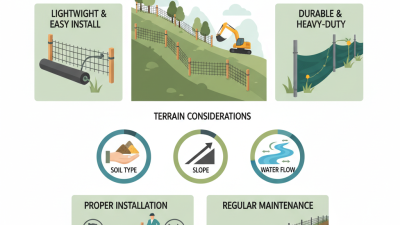
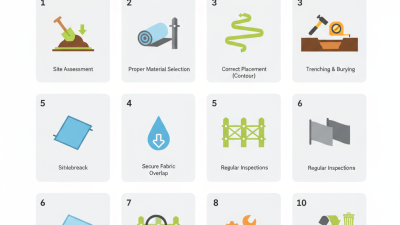
Silt fences are essential tools for controlling erosion during construction and land disturbances. Their installation is a straightforward process, but attention to detail is crucial. Start by selecting the right location for the fence. It should be positioned along the contours of the land, ideally at a distance where water collects.
Dig a trench about 6 to 8 inches deep to insert the bottom of the silt fence. Next, place the filter fabric, making sure it extends at least 1 foot above the ground. Use stakes to secure the fabric, ensuring it remains taut. This aspect is vital as loose fabric may fail to catch sediment effectively. Proper installation can reduce sediment runoff by approximately 80%, as reported by the Environmental Protection Agency (EPA).
Tips: Ensure that there are no gaps in the installation. Gaps may allow sediment to pass through, undermining your erosion control efforts. Regularly inspect the silt fence for damage or sediment buildup. Repair or replace sections as needed to maintain effectiveness.
Even with the best practices, challenges may arise. Heavy rainfall can overwhelm a properly installed silt fence. Be prepared to adapt your approach if excessive sediment buildup occurs. Continuous learning from past installations can enhance future outcomes and reduce the risk of erosion.
Erosion Control Effectiveness of Silt Fences
Maintenance and Effectiveness of Silt Fences
Silt fences are crucial for controlling erosion at construction sites. They effectively filter sediment from rainfall runoff. However, maintenance is essential for their long-term effectiveness. A silt fence can become clogged with sediments or debris over time. Regular inspections are necessary to ensure they are functioning properly.
To maintain a silt fence, inspect it after heavy rain or storms. Look for damage or signs of sediment buildup. If you find issues, address them immediately. Sometimes, it might be necessary to reinstall the fence. Ensure it's positioned properly to intercept runoff. This can maximize its effectiveness.
Here are some tips to enhance performance. Keep vegetation clear around the fence. This prevents roots from undermining its structure. Use stakes that are sturdy and resistant to rot. This ensures the fence stays upright and can withstand the elements. Regular maintenance will help in achieving the desired erosion control.
What is a Silt Fence and How Does It Work for Erosion Control? - Maintenance and Effectiveness of Silt Fences
| Dimension |
Description |
Effectiveness |
Maintenance Frequency |
Lifespan |
| Material |
Typically made from geotextile fabric |
High in reducing sediment flow |
Monthly inspections recommended |
Approximately 6 months to 2 years |
| Height |
Common heights range from 2 to 4 feet |
Effective for small to moderate storms |
After heavy rainfall or storms |
Varies with material quality |
| Installation |
Requires trenching and stakes for support |
Highly effective when installed correctly |
Adjust based on site conditions |
Up to several years with proper maintenance |
| Site Suitability |
Best for construction sites and disturbed areas |
Excellent in controlling runoff |
Annually or after major events |
Depends on environmental conditions |