Choosing polymeric sand is not just a color decision. It affects joint stability, drainage, and the finished look of a patio or walkway. A useful expert quotation should come from a named professional and a verifiable source; none was provided, so inventing one would weaken this guide’s credibility. Instead, keep this practical principle in mind: match the sand to the paver material, joint width, site conditions, and installation instructions.
The seven buying tips ahead focus on details you can check before opening a bag. Measure the joints between your pavers. Look at the surface texture and note whether the area slopes toward a drain or lawn. Check the product label for compatible materials, recommended joint widths, and weather requirements. These small checks matter. A sand suited to tight concrete-paver joints may not fit wider natural-stone joints, and a product that hardens unevenly can leave pale residue on textured surfaces.
There is no single best polymeric sand for every project. Compare coverage estimates, color options, curing guidance, and cleanup directions. Ask the supplier about application limits when the label is unclear. Then test a small, inconspicuous area if the pavers are delicate or unfamiliar. That extra step may feel fussy. It can also prevent an expensive surprise.
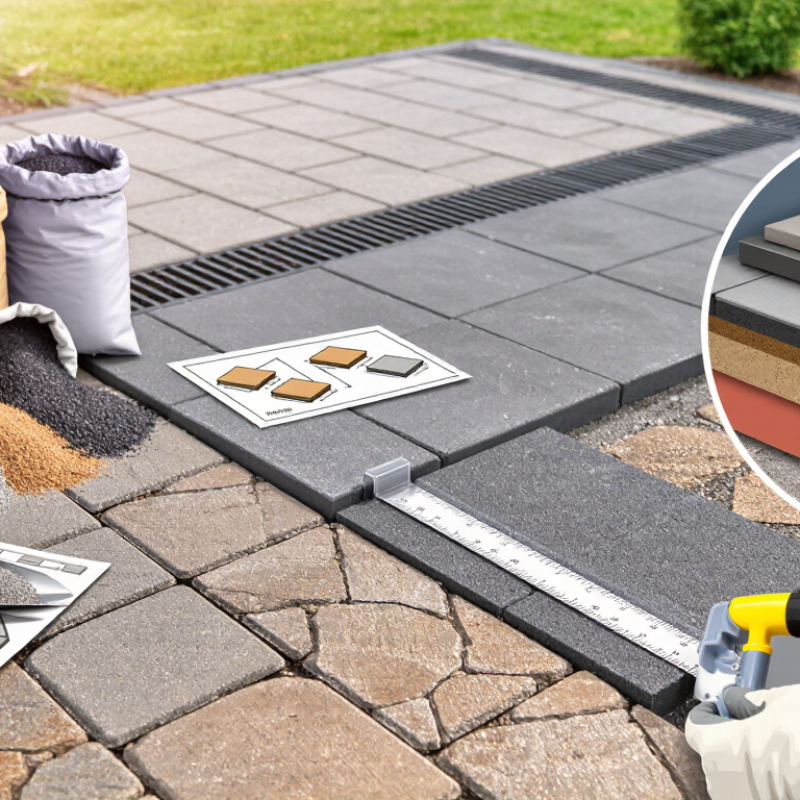
Polymeric sand is a jointing material made from fine sand and binding polymers. It is swept between pavers, then lightly activated with water. Once cured, it helps limit weed growth, insect movement, and joint erosion. It is commonly used for patios, walkways, driveways, and pool surrounds. However, it is not a substitute for a stable base or proper drainage.
Tips: Check the recommended joint width before buying. Choose a formulation suitable for your paver material and local weather. Fine joints may need different sand than wider joints. Read the coverage estimate carefully, because irregular layouts consume more material. Also inspect the color in natural light. Small differences become obvious across a large patio.
From practical installation experience, preparation matters more than many buyers expect. The joints should be clean, dry, and filled evenly before watering. Too much water can wash the binder away, while too little may leave loose grains. Work during a dry period with moderate temperatures. Rain shortly after installation can damage the surface. I once underestimated how quickly shade slowed curing, so I now check sunlight and overnight conditions. The result may still vary with the paver texture and base quality. No polymeric sand can correct movement caused by poor compaction.
Joint size should guide your purchase. Measure the narrowest gap between each paver. Some sands suit joints below 1/8 inch, while others need wider spaces. Do not guess. Fine sand can wash away from oversized joints, leaving loose edges and weeds. Check the product’s stated joint range before buying. Joint depth matters too. Most installations need material filling the joint nearly to the paver base.
Surface type also changes the decision. Concrete pavers, clay bricks, porcelain slabs, and natural stone may require different sand textures. Check whether the surface can tolerate water activation and gentle compaction. Porous stone may stain if excess sand and moisture remain on top. Test a small hidden area. It takes minutes. A clean, stiff broom helps place the sand without scratching the surface.
Project requirements deserve equal attention. A driveway needs stronger resistance to tire movement than a garden path. Consider drainage, slope, rainfall, freeze-thaw cycles, and expected foot traffic. Read the technical instructions, including coverage, curing time, and weather limits. I once rushed a small patio job and activated the joints before a cool evening; the surface stayed soft longer than expected. That shortcut was avoidable. Buy enough material from one production batch when possible, and keep a small amount for future repairs. Availability can change, and matching later may be difficult.
When choosing polymeric sand, compare the formula before the color. Fine grains fill narrow joints neatly and create a smoother surface. Coarser blends suit wider joints and resist movement more effectively. Check the manufacturer’s recommended joint width carefully. A poor fit can leave gaps, haze, or weak edges.
Weather resistance depends on more than the polymer. Good drainage prevents standing water beneath the pavers. Proper compaction limits shifting during freezing and thawing. The sand also needs enough time to cure without rain. Read the application temperature range, because cold evenings can slow bonding. A shaded walkway may cure differently from a sunny patio. Small details matter.
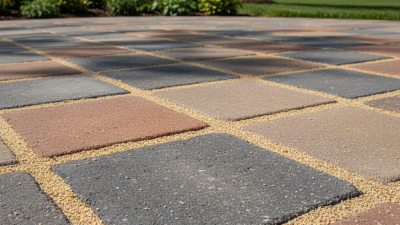
Color should complement the paving, not compete with it. Compare dry sand beside wet pavers, since shades often darken after installation. Tan, gray, and charcoal can produce noticeably different joint lines. I once chose a shade from a small sample and regretted it across a large area. Test a hidden section first. It is inexpensive insurance. No formula wins everywhere. Recheck the joints after the first heavy rain, then adjust future choices based on what the site actually shows.
Compare common polymeric sand formulas by joint stability, weather resistance, color flexibility, installation speed, and application tolerance. Scores are practical buying-guide ratings on a 1–5 scale, not laboratory measurements; always confirm the product’s technical data sheet for your climate and joint conditions.
Buying tips: Match the formula to joint width, expected rainfall and freeze-thaw exposure, desired curing time, color requirements, and the amount of installation moisture control you can provide. Weather resistance and joint stability are usually the most important factors for long-term performance.
Coverage should be the first cost calculation, not the bag price. Check the stated square-foot coverage at your actual joint width and depth. A patio with wide, deep joints can consume polymeric sand quickly. Measure the area, record joint dimensions, and compare the required volume with the package yield. I usually allow 5–10% extra for uneven joints, spillage, and compaction. That allowance is practical, not perfect. The Interlocking Concrete Pavement Institute recommends following the manufacturer’s joint-depth and installation requirements, because moisture and compaction can change performance. Coverage is never guaranteed.
Packaging affects the final cost more than many buyers expect. Compare the cost per usable square foot, not the cost per bag. A low-priced 40-pound bag may create more waste if the project needs only part of it. Smaller packages can also increase plastic use and handling time. The U.S. Environmental Protection Agency reported about 600 million tons of construction and demolition debris in 2018. Packaging choices matter within that larger waste stream. Look for durable bags, clear yield information, and pallet quantities that match your project. Unopened-bag return policies may reduce risk, but policies vary. I once underestimated joint depth and bought too little material. The extra trip cost more than the original saving. Keep the receipt. Calculate delivery, storage, labor, and leftover disposal before choosing the lowest shelf price. Industry cost studies commonly separate material and installation expenses, and that distinction is useful here. A product requiring repeated sweeping or additional passes may have a higher real cost. Check the technical data sheet, then test a small area before ordering the full quantity.
Installation needs should guide the purchase, not shelf appearance. Check joint width, paver material, slope, climate, and expected foot traffic. Narrow joints need a finer blend, while wider joints require controlled granulation. ASTM C144 provides a useful grading reference, including 100% passing the 4.75-millimeter sieve. However, polymeric sand may follow additional manufacturer specifications.
Quality standards deserve careful attention. Request a current technical data sheet, safety information, coverage rate, curing range, and independent test results. ASTM C136 testing can verify particle-size distribution through sieve analysis. Look for documented resistance to washout, erosion, and freeze-thaw exposure.
The 2023 Global Construction Outlook reported continuing growth in repair and renovation spending, increasing demand for dependable joint materials. More demand does not guarantee better quality.
Product reliability also depends on installation conditions. Choose packaging with a clear lot number and moisture-resistant sealing. Confirm that the product matches the joint depth and surface type. Follow the specified watering method precisely; excessive water can remove binders from the joint. Too little water may leave weak, dusty seams.
I have seen attractive installations fail because the base was unstable, not because the sand was poor. That detail is easy to miss.
Keep a small sample from the same lot for future repairs.
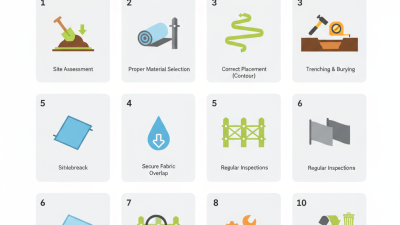
Seven checks help: grading, joint fit, test data, coverage, packaging, curing conditions, and installer guidance.