Why is Geotextile Fabric Essential for Modern Construction Projects?
In modern construction, geotextile fabric plays a vital role. This innovative material serves multiple purposes in various projects. It enhances soil stability, reduces erosion, and improves drainage. The use of geotextile fabric has become a standard practice in civil engineering.
Construction sites are often challenging environments. The soil quality can vary dramatically. In some cases, land might be unstable or prone to erosion. Here, geotextile fabric acts as a barrier, reinforcing the ground. It also allows water to pass through while filtering out soil particles. This function is crucial in protecting structures from water damage.
Yet, the use of geotextile fabric isn't flawless. Some projects may overlook its importance, leading to structural issues. Not all construction teams utilize it effectively. Awareness of its benefits must increase. Ultimately, geotextile fabric can transform modern construction when properly applied.
Definition and Types of Geotextile Fabric in Construction
Geotextile fabric plays a crucial role in modern construction. It acts as a barrier, allowing water to pass while preventing soil erosion. This ensures the integrity of various structures. Different types of geotextiles exist, each serving unique purposes.
There are woven and non-woven geotextiles. Woven types are strong and provide excellent support for road construction. Non-woven fabrics, however, are more flexible, making them ideal for drainage systems. The choice depends on specific project needs. Sometimes, choosing the wrong type can lead to drainage issues or increased costs.
In some cases, the effectiveness of geotextile fabric might be overlooked. It's vital for surface stabilization and preventing weed growth. Yet, not all construction teams fully understand these benefits. This lack of knowledge can cause delays and extra expenses. It's essential for construction professionals to consider these factors closely to achieve the best results.
Why is Geotextile Fabric Essential for Modern Construction Projects?
| Type of Geotextile |
Function |
Material |
Common Applications |
| Woven Geotextile |
Separation & Reinforcement |
Polypropylene |
Road Construction, Railways |
| Non-Woven Geotextile |
Filtration & Drainage |
Polyester |
Landfill, Retaining Structures |
| Geogrid |
Stabilization |
Polypropylene or Polyester |
Earth Retention, Pavement Structures |
| Geocomposite |
Combined Functionality |
Varies (Fabric + Aggregate) |
Drainage Systems, Roadways |
Key Benefits of Geotextile Fabric for Soil Stabilization
Geotextile fabric plays a crucial role in modern construction projects, especially for soil stabilization. It is designed to reinforce soil, providing vital support to structures. This fabric helps prevent erosion and keeps soil intact, which is essential for roadways and buildings. A properly installed geotextile layer can enhance drainage, allowing water to flow freely while keeping soil particles in place.
Tips for using geotextile fabric include ensuring proper sizing based on project requirements. Measure area dimensions carefully before purchasing materials. Consider local soil conditions, as they can affect fabric selection. Another important aspect is layering. A well-placed geotextile layer can significantly improve performance. However, if it's poorly installed, it may lead to drainage issues.
Soil stabilization is about balance. Geotextile fabric must be used thoughtfully. Sometimes, it may appear to stabilize soil but might mask underlying problems. Regular assessments are key. Check if your geotextile fabric is still performing its function over time. Engage with the construction process. Clear communication between teams is essential for effective implementation.
Role of Geotextile Fabric in Drainage and Erosion Control
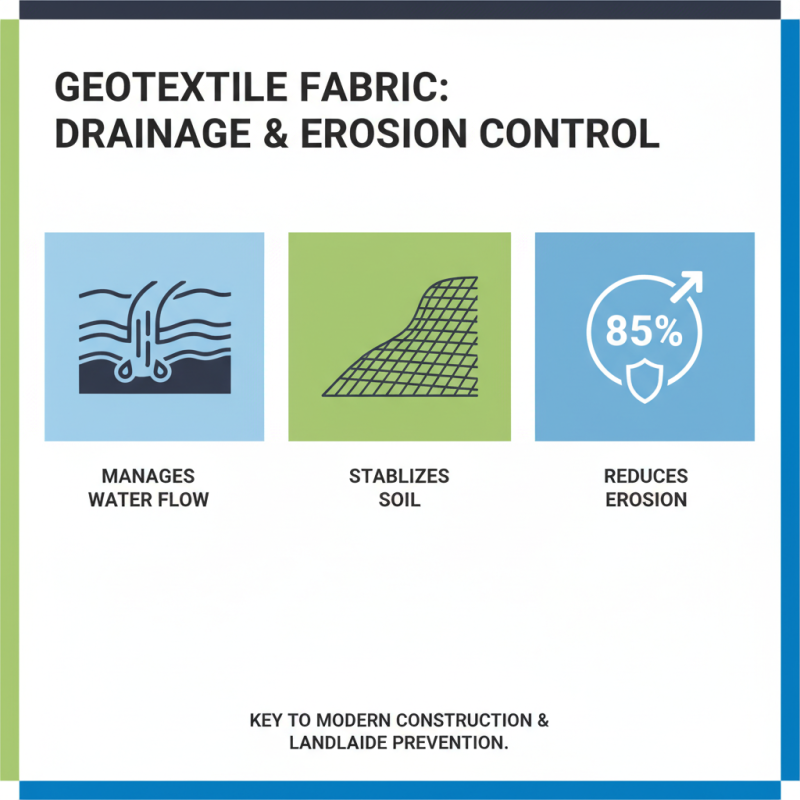
Geotextile fabric plays a vital role in drainage and erosion control for modern construction. This versatile material helps manage water flow and stabilize soil. According to a report by the International Geosynthetics Society, effective use of geotextiles can reduce erosion by up to 85%. This statistic highlights their significance in preventing soil loss, especially in areas prone to heavy rainfall.
In drainage applications, geotextiles improve water permeability. They filter particles while allowing water to pass through. Inadequate drainage can lead to structural failures and increased costs. The American Society of Civil Engineers states that poor drainage contributes to 30% of pavement failures. Using geotextile fabric increases the lifespan of roads and foundations, lowering maintenance needs.
However, not all projects effectively utilize geotextiles. Some may underestimate the importance of proper installation and material selection. Inadequate understanding can lead to issues, such as clogging or insufficient stability. Reflecting on these challenges prompts the construction industry to enhance training and best practices in geotextile use.
Applications of Geotextile Fabric in Various Construction Projects
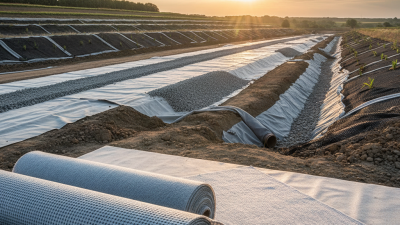
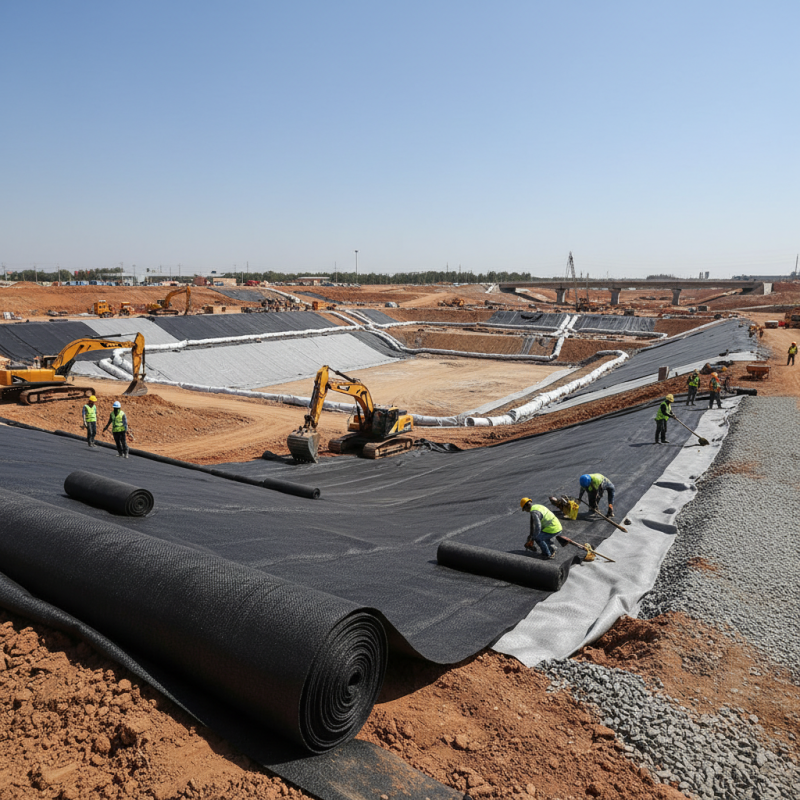
Geotextile fabric plays a critical role in various construction projects. It provides support and stability, especially in civil engineering applications. For example, it can be used in road construction to enhance soil stability. This fabric helps to separate, filter, and drain excess water, ensuring that roads remain durable over time.
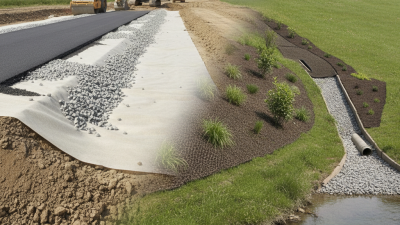
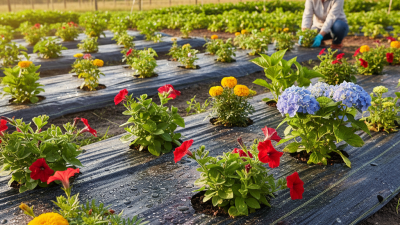
In landscaping, geotextile fabric is essential for erosion control. It prevents soil from washing away during heavy rains. This application is crucial for slopes and riverbanks. Additionally, it assists in the development of greenspaces by helping to manage water flow and promote healthy plant growth. The visible benefits are clear, yet the fabric must be properly installed to be effective.
However, projects often face challenges. Proper selection of geotextile type is vital. Not every fabric suits every project. Misjudging this can lead to failures, causing additional costs and delays. As construction evolves, reflecting on past projects is crucial to improving geotextile applications in the future.
Future Trends and Innovations in Geotextile Fabric Technology
Geotextile fabric is evolving rapidly. Innovations are enhancing its applications in construction. New materials are being developed for better durability. These fabrics now resist chemical damage and extreme weather. As climate issues rise, geotextiles play a key role in sustainability.
One exciting trend is the incorporation of recycled materials. This promotes environmental responsibility in construction. Projects using these materials often reduce waste. However, not all recycled fabrics meet quality standards. Careful selection is crucial.
Tips: Always research the specific application of geotextiles. Consult with experts if you have doubts. Remember, not every solution fits every project. Future advancements in geotextile technology may introduce self-healing fabrics. These could offer even more resilience. Keeping an eye on such trends can benefit your projects significantly.