How to Build a Retaining Wall for Your Garden?
Building a retaining wall can enhance the aesthetics and functionality of your garden. A well-constructed retaining wall supports soil and creates distinct levels in your landscape. According to the National Association of Home Builders, over 60% of homeowners recognize the importance of retaining walls in managing soil erosion and drainage.
A retaining wall can be made from various materials, including stone, brick, and concrete. Each option has unique benefits and drawbacks. Choosing the right material is crucial for stability and appearance. However, many people overlook proper drainage, which can compromise the wall's effectiveness. Reports indicate that inadequate drainage is a common issue faced by DIY builders.
Creating a retaining wall requires careful planning and execution. Design considerations include wall height, slope, and location. Sadly, many beginners underestimate these factors. As a result, they may face structural failures over time. Construction may seem straightforward, but attention to detail remains essential for lasting success. Recognizing common pitfalls allows you to build a more effective and durable retaining wall for your garden.
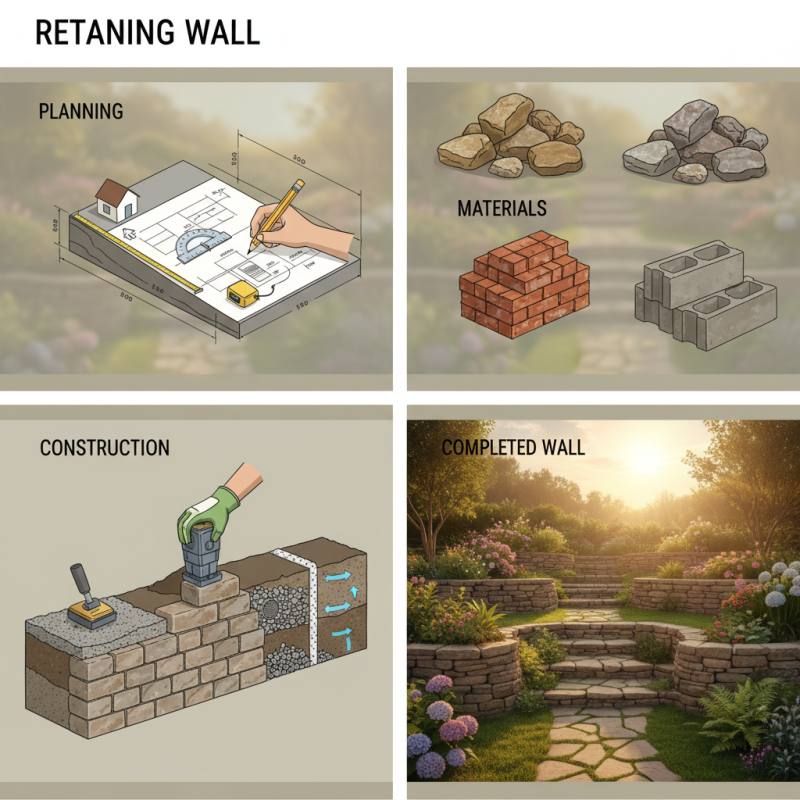
Choosing the Right Location for Your Garden Retaining Wall
Choosing the right location for your garden retaining wall is crucial. Start by assessing the land's slope. A gentle gradient may require less structure. However, steep slopes need stronger walls to prevent soil erosion. Observe water flow patterns during rain. This will help you position the wall effectively.
Consider the sunlight exposure in your garden. A wall can create shaded areas, affecting plant growth. It might also trap heat, influencing the microclimate. Think about aesthetics, too. The wall should complement your landscape. Placing it near existing plants can enhance visual appeal, but it might also disrupt their growth.
Take time to plan carefully. Measure distances and visualize the wall's impact. Mistakes can lead to costly repairs. You may need to adjust your design after installation. Reflect on your choices regularly. This will help create a more cohesive garden space over time.
Selecting Appropriate Materials for Your Retaining Wall
Selecting the right materials for your retaining wall is crucial. It affects durability, aesthetics, and functionality. Common choices include stone, wood, and concrete blocks. Each material has its pros and cons. For instance, natural stone provides a classic look. Yet, it can be expensive and heavy. Wood is more affordable but may rot over time. Concrete blocks are versatile and strong, but they can look too industrial for some gardens.
Consider the climate and soil type where you live. In areas with heavy rainfall, drainage becomes vital. Use permeable materials to prevent water buildup. Reflect on the style of your garden. A rustic wall may suit a cottage garden, while a sleek concrete wall might benefit a modern design. Keep in mind, the cost varies considerably. Balancing budget and aesthetic is often challenging. Check if you can mix materials for a unique look. Allowing for imperfections, like mismatched stones, can add character. Materials can evoke different feelings, so choose what resonates with you.
How to Build a Retaining Wall for Your Garden? - Selecting Appropriate Materials for Your Retaining Wall
| Material Type |
Durability |
Cost (per square foot) |
Aesthetic Appeal |
Ease of Installation |
| Concrete Blocks |
High |
$7 - $12 |
Moderate |
Easy |
| Natural Stone |
Very High |
$15 - $30 |
Excellent |
Difficult |
| Timber |
Moderate |
$5 - $10 |
Good |
Easy |
| Brick |
High |
$10 - $20 |
Very Good |
Moderate |
| Gabion Baskets |
High |
$8 - $15 |
Unique |
Moderate |
Preparing the Ground and Building the Foundation
Preparing the ground for a retaining wall is crucial. Start by selecting a level area in your garden. Clear the space of vegetation and debris. Soil compaction is essential, so use a tamping tool for a firm base. If the ground is uneven, consider leveling it before proceeding.
Next, mark the layout of your wall. You can use stakes and string to define the wall's perimeter. Dig a trench that is the width of the wall and about 6 to 12 inches deep. The depth can vary, depending on the height of the wall. Make sure the trench is level. It can be tricky to achieve the right slope for drainage. Consider compacting the base again after digging.
Once the trench is prepared, add gravel for drainage. This layer helps prevent water accumulation behind the wall. But don't rush this part. You might need to adjust as you go. When placing the first stones, ensure they are level. This foundation affects the entire wall. Mistakes at this stage can lead to larger problems later. Pay attention and adjust as necessary to create a solid foundation.
Retaining Wall Preparation Steps and Time Required
This bar chart illustrates the various steps involved in preparing the ground and building the foundation for a garden retaining wall, along with the average time required for each step.
Finishing Touches and Maintenance Tips for Your Wall
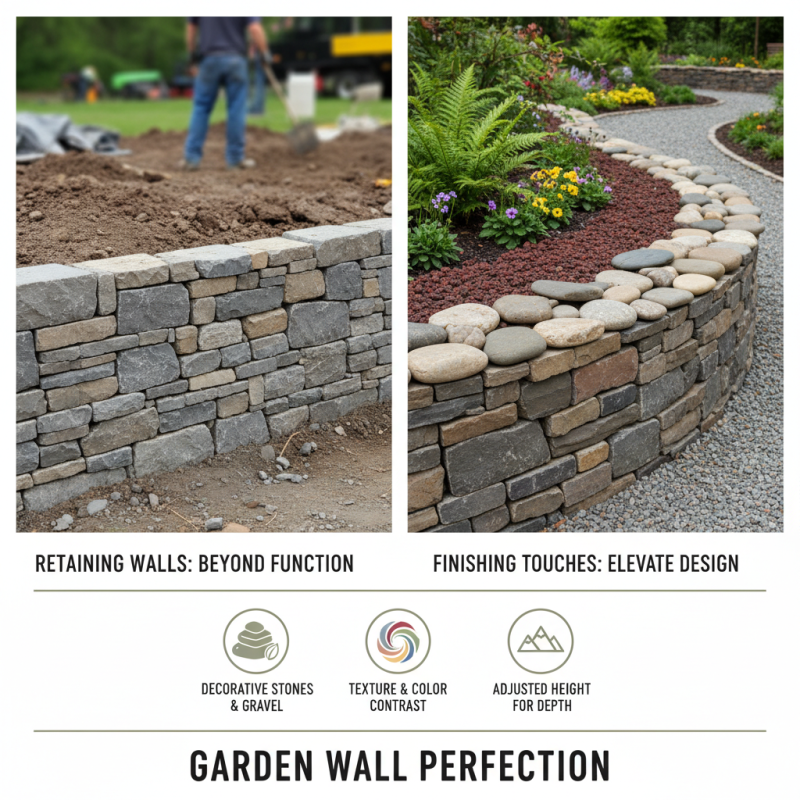
When building a retaining wall, finishing touches are crucial. A well-designed wall doesn't just hold soil; it enhances your garden's beauty. Begin with the top layer. Adding decorative stones or gravel can create a clean and finished look. Use different textures and colors for visual interest. Adjusting the height of stones adds depth. It might not be perfect, but that adds character.
Maintenance is essential for longevity. Regularly check for any cracks or shifting. Small repairs can prevent larger issues. Keep an eye on drainage systems. Water accumulation can undermine the wall's stability. A simple solution is to ensure your plants are not too close. This will prevent roots from invading and disturbing the structure. Sometimes, it requires a bit of thought, but it pays off.
Don't forget the surrounding area. Mulching or setting up flowers nearby can soften the wall's appearance. Your wall should blend with the environment instead of standing out too harshly. Regular upkeep might feel overwhelming. Yet, it's rewarding to see your garden thrive year after year.