Best Concrete Sealer for Long Lasting Protection?
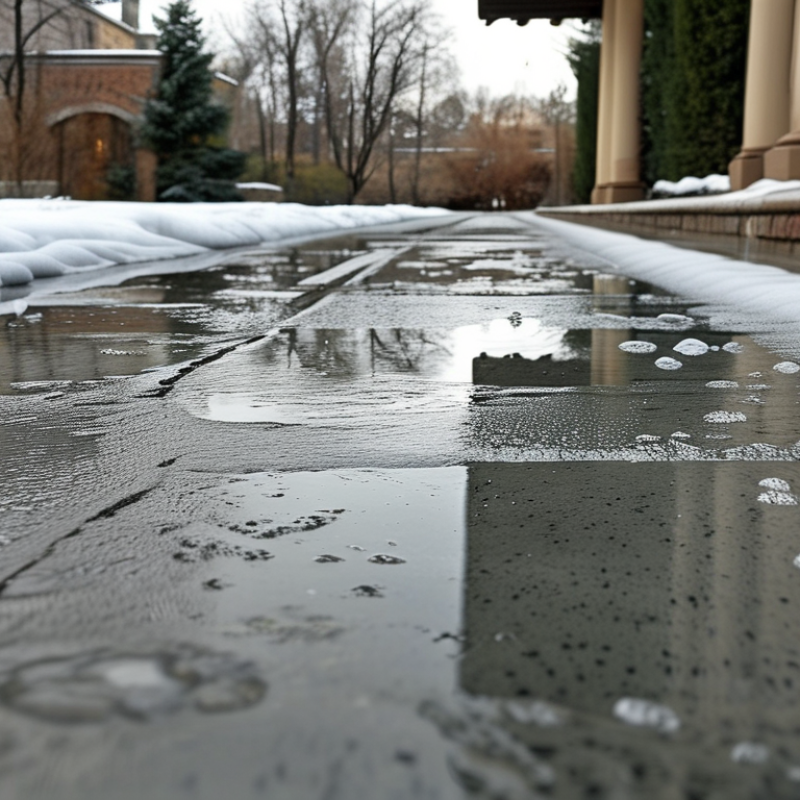
Concrete surfaces endure harsh conditions. Rain, snow, and UV rays can cause damage over time. Thus, choosing the right concrete sealer is crucial for lasting protection.
A high-quality concrete sealer acts as a shield against moisture and stains. It helps maintain the structural integrity of driveways, patios, and floors. However, not all sealers offer the same level of performance. Some may wear out quickly or require frequent reapplication.
In this guide, we explore the best concrete sealer options available. We consider durability, ease of application, and long-term effectiveness. The right choice can save you time and money. But ultimately, one must reflect on their unique needs and the environment where the sealer will be used.
Choosing the Right Concrete Sealer for Long-Term Durability
Choosing the right concrete sealer is crucial for ensuring long-term durability. A quality sealer provides a protective barrier against moisture, stains, and chemical damage. Different types of sealers exist: penetrating sealers, film-forming sealers, and hybrid options. Each type has its own strengths and weaknesses. Understanding these characteristics is foundational for making an informed choice.
Penetrating sealers absorb into the concrete, protecting from within. They are excellent for areas prone to moisture. On the other hand, film-forming sealers create a protective layer on the surface. They’re ideal for enhancing color but may trap moisture beneath the film. Evaluating your specific needs is vital. Do you need resistance to heavy traffic or protection against oil spills? These factors greatly influence your decision.
There are common mistakes to avoid when selecting a sealer. Not considering the climate can lead to improper curing. Some sealers may degrade faster in extreme temperatures. Additionally, users often overlook surface preparation, which is key for a strong bond. A well-prepared surface ensures the sealer adheres effectively. Understanding the product specifications and intended use can prevent failures.
Understanding Different Types of Concrete Sealers and Their Applications
When considering concrete sealers, it's essential to understand the various types and their specific applications. For example, acrylic sealers offer a desirable combination of ease of application and a glossy finish, making them popular for driveways and patios. According to industry reports, nearly 40% of homeowners choose acrylic sealers for residential projects. However, they may require reapplication every few years, particularly in high-traffic areas.
Alternatively, penetrating sealers, like silane or siloxane, are effective for protecting against moisture and staining. These sealers seep into the concrete, providing long-lasting protection. They can last up to ten years, according to studies conducted by the American Concrete Institute. Penetrating sealers are often recommended for basements and exterior surfaces exposed to harsh weather. Yet, these may not be suitable for surfaces demanding a glossy appearance.
Some variances exist within epoxy sealers as well. They harden to form a durable layer, ideal for garage floors. Despite their long-lasting nature, they require careful application and may not bond well to certain surfaces. A misapplication could result in peeling or bubbling. Understanding the nuances between these options is crucial in ensuring long-term protection for concrete surfaces.
Key Performance Factors: Longevity, Breathability, and UV Resistance
When selecting a concrete sealer, key performance factors come into play.
Longevity is paramount. Studies indicate that high-quality sealers can extend the life of concrete surfaces by up to 10 years. This durability reduces the frequency of replacements and maintenance costs. Inadequate sealing may lead to cracks and surface flaking. It is imperative to choose products known for their long-lasting protection.
Breathability is equally crucial. A breathable concrete sealer allows moisture to escape while preventing water from seeping in. A report by the American Concrete Institute highlights that improper sealing can trap moisture, leading to mold growth and structural damage. Sealers that balance breathability and waterproofing enhance the performance of concrete surfaces. This is essential for maintaining the integrity of both residential and commercial properties.
UV resistance should not be overlooked. Sun exposure can degrade concrete surfaces over time. Sealers with UV resistance can help maintain color and finish. A study from the Concrete Construction Industry shows that UV-degrading effects can diminish 30% of surface aesthetics within a few years. Thus, investing in a sealer with strong UV protection is critical for prolonging the life of outdoor concrete, especially in sunny regions.
Industry Standards for Concrete Sealer Performance and Testing Methods
When selecting the best concrete sealer, understanding industry standards is crucial. Concrete sealers undergo several performance tests to evaluate their durability and effectiveness. The American Society for Testing and Materials (ASTM) sets rigorous guidelines for sealer testing. One key metric is water penetration resistance, which measures how well a sealer prevents moisture intrusion. According to ASTM 642, effective sealers must resist penetration by at least 90% over a specific duration.
Another critical standard is abrasion resistance. Sealers are evaluated under ASTM C779 to determine their durability against surface wear. A well-performing sealer should maintain its integrity even when subjected to heavy foot or vehicle traffic. Results indicate that top sealers can sustain less than 10% wear after extensive testing. This durability metric is essential for long-lasting protection.
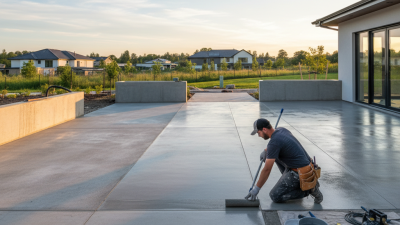
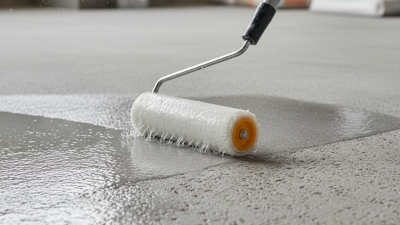
**Tips:** Applying a sealer in a two-coat system can enhance durability. Ensure the surface is clean and dry before application. Always conduct a patch test on a small area first. Keeping an eye on a sealer's performance over time allows early detection of wear. Regularly inspecting for cracks or flaking can lead to timely maintenance.
Best Concrete Sealer for Long Lasting Protection? - Industry Standards for Concrete Sealer Performance and Testing Methods
| Performance Criterion |
Standard Test Method |
Minimum Requirement |
Expected Lifespan |
| Water Absorption |
ASTM C642 |
Less than 5% |
3-5 Years |
| Chloride Ion Penetration |
ASTM C1202 |
Less than 1000 coulombs |
5-10 Years |
| Freeze-Thaw Resistance |
ASTM C666 |
Pass after 300 cycles |
5 Years |
| Oil Resistance |
ASTM D4726 |
No staining after 24 hours |
3-5 Years |
| UV Stability |
ASTM G155 |
No significant discoloration |
5-10 Years |
Top Recommendations: Comparing Leading Brands and Their Features
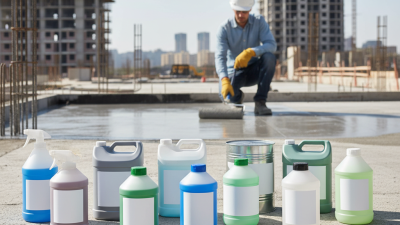
When considering the best concrete sealers, there are several leading brands to analyze. Each has distinct features catering to various needs. Some sealers provide superior moisture resistance, while others prioritize UV protection. Knowing what you require will help streamline your choices.
Performance varies significantly across brands. Some products boast longevity, offering protection for up to five years. Yet, even the most durable sealers can show wear over time. A product's effectiveness also depends on surface preparation and application methods. It's crucial to read directions carefully to avoid mistakes.
User reviews often highlight specific experiences with application ease and finish durability. Many customers express frustration when a product fails to meet expectations. It's essential to consider these testimonials while conducting research. Remember, a sealer is an investment in your concrete's future. Selecting a high-quality product can yield results that truly stand the test of time.